
Parcel Locker Market Analysis: Growth Drivers, Buyer Segments, and Deployment Trends
The parcel locker market has moved beyond a niche logistics tool and into a broader infrastructure conversation. E-commerce volumes keep rising, failed delivery costs remain stubborn, and buildings now face higher expectations for secure, low-friction parcel handling.
That shift matters because parcel lockers sit at the intersection of physical security, access control, property operations, and digital service design. For market evaluation, the real question is no longer whether lockers are useful, but where they create measurable value and how deployment models differ.
Why the parcel locker market is attracting more attention
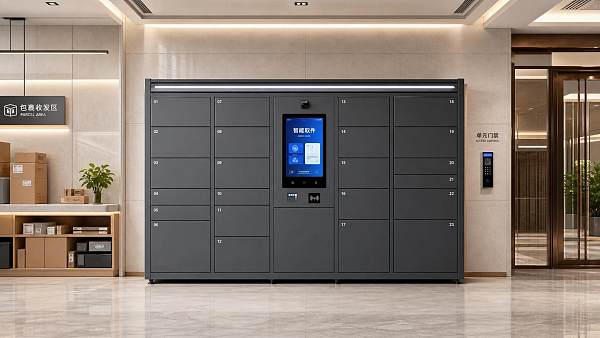
Several forces are pushing the parcel locker market forward at the same time. The first is parcel volume. Residential, commercial, and mixed-use properties now receive more small shipments than their legacy mailrooms were designed to handle.
The second is labor pressure. Manual package reception, logging, storage, and handover consume staff time. When labor costs rise, automation becomes easier to justify.
Security is the third driver. Unattended parcels, open lobbies, and informal storage areas create theft and chain-of-custody issues. A locker system adds controlled access, event records, and more predictable handoff procedures.
A fourth factor is integration. The parcel locker market increasingly overlaps with smart building systems, electronic locks, IoT connectivity, and access control platforms. That makes lockers part of a larger operational stack rather than a stand-alone cabinet.
This is where SHPS-style market intelligence becomes useful. Evaluating smart parcel lockers now requires attention to hardware reliability, lock security, connectivity resilience, and deployment fit, not just cabinet size and price.
What defines a modern parcel locker system
In simple terms, a parcel locker is a secure self-service storage unit for package drop-off and collection. In practice, the parcel locker market includes much more than compartment doors and access codes.
A modern system usually combines electronic locks, user authentication, cloud software, delivery workflow tools, monitoring functions, and network connectivity. Some installations also connect with property management systems, tenant apps, or building access credentials.
The physical security side still matters. Door strength, lock durability, tamper resistance, hinge design, enclosure materials, and maintenance access all affect long-term performance.
The software side matters just as much. Notification speed, user identity control, audit records, remote administration, and exception handling influence whether the system reduces work or simply shifts it.
This combination explains why the parcel locker market often overlaps with the wider smart hardware and physical security sector. Locker performance depends on both digital management and mechanical trust.
Buyer segments shape demand in different ways
The parcel locker market is not driven by one uniform buyer group. Demand patterns change by site type, delivery density, operating model, and security expectations.
Residential and mixed-use properties
Apartments, student housing, and condominiums focus on resident convenience, theft reduction, and lower front-desk workload. Space limits are common, so modular locker banks often perform better than oversized fixed layouts.
Office and commercial buildings
These sites often need controlled access and cleaner visitor flow. Parcel lockers can reduce lobby congestion while supporting after-hours collection and clearer package accountability.
Logistics and carrier networks
Here the parcel locker market is tied to route efficiency and last-mile economics. Operators care about turnover rate, network uptime, compartment utilization, and the ability to support multiple carriers.
Retail and public collection points
Retail sites use lockers to extend pickup hours and drive foot traffic. The value case depends on customer convenience, secure returns, and integration with order management systems.
Deployment trends are moving toward integration and flexibility
One clear trend in the parcel locker market is the shift from isolated hardware to connected infrastructure. Buyers increasingly expect cloud dashboards, remote diagnostics, and software updates without site disruption.
Another trend is mixed indoor and outdoor deployment. Outdoor units expand service coverage, but they also raise requirements for weather resistance, vandal protection, corrosion control, and reliable electronic locking.
Open network models are also gaining attention. Instead of single-use installations, more projects seek shared locker systems that can support multiple carriers, returns processing, and tenant or employee services in one footprint.
Connectivity choices are becoming more strategic as well. Ethernet, Wi-Fi, 4G, and 5G each affect installation speed, resilience, and operating cost. In some sites, communication redundancy is more valuable than adding extra compartments.
The parcel locker market is also aligning more closely with access control logic. Integration with credential systems, visitor rules, and building entry workflows helps prevent lockers from becoming a weak point inside a secure property.
Where business value is created, and where risk hides
The most visible benefit is operational efficiency. Parcel lockers can reduce manual package handling, shorten pickup queues, and improve traceability.
Still, the parcel locker market should not be evaluated on labor savings alone. A low-cost unit with unstable software, weak locks, or poor maintenance support can create more exceptions than it removes.
Security risk often sits in details. Door misalignment, lock failure under frequent cycling, credential sharing, and weak audit trails can undermine the entire deployment.
Return on investment also varies by turnover rate. A high-volume property with recurring delivery congestion may see fast payback. A low-volume site may need a different footprint or a shared-service model.
For this reason, parcel locker market analysis works best when hardware, software, security, and site operations are evaluated together.
Practical evaluation points before selecting a system
A useful comparison framework should go deeper than brochure claims. The following points usually separate a workable project from a difficult one.
- Compartment mix: match box sizes to actual parcel profiles rather than theoretical averages.
- Locking method: review cycle life, tamper resistance, override control, and failure recovery.
- Authentication flow: check PIN, QR, app, card, or credential integration against site security rules.
- Connectivity design: assess signal stability, remote diagnostics, and offline operating behavior.
- Maintenance model: verify spare parts, response times, firmware support, and field service coverage.
- Compliance and durability: look at environmental ratings, electrical safety, and enclosure quality.
- Data and reporting: confirm event logs, utilization data, and exception visibility.
In the broader SHPS context, these checks mirror how other physical security systems are assessed. Reliability, material quality, access control logic, and deployment fit matter more than isolated feature counts.
How to read the next phase of the parcel locker market
The parcel locker market will likely keep expanding, but growth will favor systems that fit real operating environments. Flexible configuration, stronger integration, and dependable physical security will shape the stronger offers.
Projects should begin with delivery patterns, access rules, and site constraints, then move to hardware and software comparison. That sequence usually produces better decisions than starting from unit price alone.
A sound next step is to define expected parcel volume, handover risk, uptime requirements, and integration needs in one decision framework. Once those conditions are clear, the parcel locker market becomes easier to navigate, compare, and apply with confidence.
Have questions about this sector analysis, or seeking best practices specific to your niche? Drop us a line below and let the senior consultants at MHLS assist you.
We respect your privacy. Your information is strictly confidential.
Recommended News
 Physical Security Infrastructure Cost: Budgeting for Installation and MaintenanceUnmanned Terminal FellowUnderstand physical security infrastructure cost and build a smarter budget for installation, maintenance, and long-term ownership.
 Financial Facility Security: Choosing Vault Doors for Bank BranchesVault Structural ArchitectStrengthen financial facility security with the right bank vault door. Explore certification, installation, locking controls and maintenance before you buy.
 MACO Acquires Majority Stake in Fingerprint Access Provider ekeyProf. Elara SterlingMACO acquires a majority stake in ekey, bringing fingerprint access and door hardware closer together. Discover what the deal could mean for smart buildings.
 Physical Security System Engineering: From Risk Assessment to System DesignUnmanned Terminal FellowExplore physical security system engineering, from risk assessment to integrated design, procurement and testing. Build a safer, more resilient facility.
 Apple Home Collection Smart Lock and Other Accessories Open for Preorder November 13Biometric Auth ScientistApple Home Collection preorders open November 13, 2026. Explore the LG smart lock’s Matter and Aliro support and what buyers should verify before ordering.
 Choosing Servo-Driven Flap Barriers: Throughput, Safety and Access ControlAccess Control StrategistServo-driven flap barriers can balance throughput, safety and access control. Discover how to compare lanes, test performance and choose with confidence.
 Parcel Locker Network Pricing: Setup Costs, Fees and Contract TermsUnmanned Terminal FellowCompare parcel locker networks pricing, from setup costs and recurring fees to contract terms. Discover hidden charges and choose the right model.
 JR East Plans UWB Walk-Through Gates at 40 Stations in Spring 2028Access Control StrategistJR East plans UWB walk-through gates at 40 stations in spring 2028. Explore the rollout timeline and what suppliers should watch.
 Bank Vault Security Standards: UL and EN Ratings ExplainedVault Structural ArchitectExplore bank vault security standards and learn how UL 608 classes and EN 1143-1 grades differ, what they test, and how to verify certification before you buy.
 Mechanical Lock Hardware Prices: What Buyers Should Budget for Bulk OrdersMr. Gideon CrossMechanical lock hardware price is just the starting point. Discover what drives bulk-order costs and how to compare supplier quotes with confidence.
 IndexBox Forecasts Steady Global Security Keypad Market Growth Through 2035Dr. Valerius ThorneGlobal security keypad market growth is forecast at 3.3% annually through 2035. Explore the smart home and replacement trends shaping demand.
 Choosing an Infrared Safety Sensors Manufacturer: What Buyers Should CheckUnmanned Terminal FellowChoosing an infrared safety sensors manufacturer? Compare safety evidence, integration, environmental performance and lifecycle costs before you buy.











