Vietnam Enforces QCVN 17:2026 Locker Rules
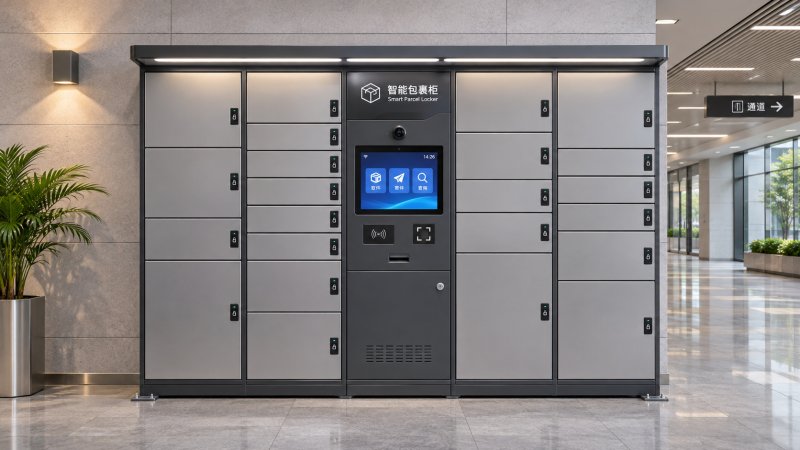
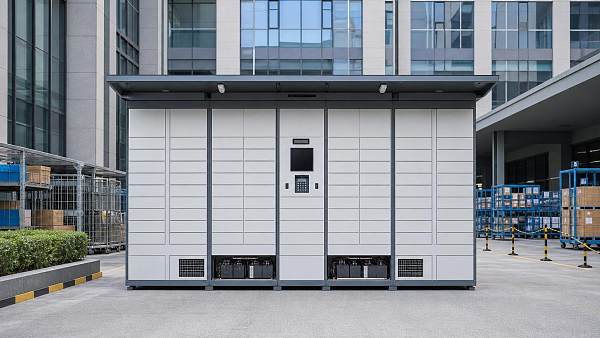
On June 19, 2026, Vietnam brought QCVN 17:2026 for smart parcel lockers into effect, turning several technical conditions into mandatory market-entry requirements for outdoor smart parcel lockers. For manufacturers exporting to Vietnam, as well as buyers, certification-related service providers, and delivery planning teams, the change matters because compliance is no longer only a product-specification issue but also a customs clearance and sales access issue.
What the new rule now requires
The confirmed change is that Vietnam’s national standard QCVN 17:2026, the Technical Regulation for Smart Parcel Lockers, took effect on June 19, 2026. Under the information provided, the rule for the first time makes IP55 protection, an 85°C high-temperature aging test, and 72 hours of continued operation during a power outage mandatory technical requirements. The same information also states that the rule directly affects compliance access for Chinese manufacturers exporting outdoor smart parcel lockers to Vietnam, and that products that do not pass type testing by VSTC cannot clear customs or be placed on the market for sale.
Where the pressure is likely to appear first
Export-facing manufacturers will feel the compliance shift most directly
From an industry perspective, manufacturers shipping outdoor smart parcel lockers to Vietnam are the first group likely to be affected because the change ties technical performance directly to market access. The practical impact is likely to fall on product design verification, test preparation, technical documentation, and shipment release planning. What deserves closer attention is whether product files, test evidence, and model-level specifications are aligned with the newly mandatory items before export and listing arrangements move forward.
Procurement and project buyers may need to tighten specification reviews
Analysis shows that buyers and project-side procurement teams may also be affected because mandatory technical requirements can change how products are screened before ordering. The main pressure point is likely to be in specification alignment, bid documentation review, and supplier qualification checks. For these participants, it becomes more important to confirm whether supplied models are positioned for VSTC type testing and whether the required protection, aging, and backup-operation conditions are reflected consistently in commercial and technical documents.
Certification and testing support services may become a key operational link
Observably, certification-related service providers and testing support organizations may face increased demand for pre-assessment, file preparation, and coordination around type testing. The effect is less about a new commercial opportunity as a confirmed fact and more about a likely operational shift caused by the rule’s role in customs clearance and sales access. The point to watch is how companies organize reports, technical files, and conformity evidence around the mandatory requirements already identified in the new rule.
Delivery and after-sales planning may need earlier risk screening
For supply chain service teams and after-sales operators, the change may influence delivery sequencing and product handover planning. Analysis shows that if compliance review is incomplete before shipment or launch, the risk may move downstream into delivery timing, installation readiness, and post-sale response arrangements. That makes document completeness and traceability more relevant than before in cross-border execution.
What companies should review now
Check whether technical claims match mandatory items
Companies should first review whether product specifications and technical claims clearly correspond to the three mandatory elements stated in the input information: IP55 protection, 85°C high-temperature aging, and 72-hour continued operation during a power outage. This is not yet a judgment on market outcomes, but a practical checkpoint for compliance readiness.
Re-examine type testing and document preparation
What deserves closer attention is the link between VSTC type testing and market access. Where execution details are not provided in the input, companies should avoid assuming uniform implementation results and instead focus on whether test arrangements, technical files, model descriptions, and supporting reports are complete enough for formal review.
Watch contract, tender, and delivery language
Analysis shows that commercial paperwork may become a sensitive point if technical requirements are now mandatory. Exporters, buyers, and channel partners should pay closer attention to how product specifications, acceptance conditions, and compliance statements are written in quotations, tenders, contracts, and delivery files, especially when the same model is intended for customs clearance and local sale.
Keep room for follow-up clarification
Because the input provides the rule change and its immediate access consequence but not detailed enforcement language, it is more appropriate to keep monitoring official wording, certification practice, and any changes in tender or procurement requirements rather than treating all implementation questions as already settled.
Why this looks like an execution signal, not just a technical update
Observably, this development is better understood as a rule already in force with direct compliance consequences, rather than as a distant policy direction. At the same time, analysis shows that the market still needs to watch how certification practice, document review standards, and procurement-side interpretation develop in actual execution. In that sense, the event is both a landed compliance change and a signal that further clarification in implementation may matter for trade and delivery decisions.
How the market may need to read this change
The immediate significance of QCVN 17:2026 is that certain outdoor smart parcel locker performance requirements are no longer optional positioning points but mandatory entry conditions tied to testing and sales access in Vietnam. A neutral reading is that the rule already changes the compliance threshold for relevant exports, while some operational details still merit continued observation through certification practice, commercial documentation, and market feedback.
Basis of this article
This article is generated from the user-provided news title, event date, and event summary. For this type of development, commonly relevant source categories may include official announcements, regulator releases, customs or trade authority information, industry association updates, standard-setting documents, and reporting by established business or industry media. No specific official source link was provided in the input, so the exact official link still needs to be verified on an ongoing basis. Follow-up attention should remain on policy detail, certification implementation practice, tender-document changes, market feedback, and how affected companies carry out compliance execution.
Have questions about this sector analysis, or seeking best practices specific to your niche? Drop us a line below and let the senior consultants at MHLS assist you.
We respect your privacy. Your information is strictly confidential.
Recommended News
 Physical Security System Engineering: From Risk Assessment to System DesignUnmanned Terminal FellowExplore physical security system engineering, from risk assessment to integrated design, procurement and testing. Build a safer, more resilient facility.
 Apple Home Collection Smart Lock and Other Accessories Open for Preorder November 13Biometric Auth ScientistApple Home Collection preorders open November 13, 2026. Explore the LG smart lock’s Matter and Aliro support and what buyers should verify before ordering.
 Choosing Servo-Driven Flap Barriers: Throughput, Safety and Access ControlAccess Control StrategistServo-driven flap barriers can balance throughput, safety and access control. Discover how to compare lanes, test performance and choose with confidence.
 Parcel Locker Network Pricing: Setup Costs, Fees and Contract TermsUnmanned Terminal FellowCompare parcel locker networks pricing, from setup costs and recurring fees to contract terms. Discover hidden charges and choose the right model.
 JR East Plans UWB Walk-Through Gates at 40 Stations in Spring 2028Access Control StrategistJR East plans UWB walk-through gates at 40 stations in spring 2028. Explore the rollout timeline and what suppliers should watch.
 Bank Vault Security Standards: UL and EN Ratings ExplainedVault Structural ArchitectExplore bank vault security standards and learn how UL 608 classes and EN 1143-1 grades differ, what they test, and how to verify certification before you buy.
 Mechanical Lock Hardware Prices: What Buyers Should Budget for Bulk OrdersMr. Gideon CrossMechanical lock hardware price is just the starting point. Discover what drives bulk-order costs and how to compare supplier quotes with confidence.
 IndexBox Forecasts Steady Global Security Keypad Market Growth Through 2035Dr. Valerius ThorneGlobal security keypad market growth is forecast at 3.3% annually through 2035. Explore the smart home and replacement trends shaping demand.
 Choosing an Infrared Safety Sensors Manufacturer: What Buyers Should CheckUnmanned Terminal FellowChoosing an infrared safety sensors manufacturer? Compare safety evidence, integration, environmental performance and lifecycle costs before you buy.
 Choosing a Security Material Testing Service: What to Check for Lock and Safe MaterialsProf. Elara SterlingChoose a security material testing service with confidence. Learn what to check for lock and safe materials, from attack methods and accreditation to reliable reports.
 How Precision Anti-Pick Lock Cylinders Resist ManipulationSecurity Metallurgy ExpertDiscover how precision anti-pick lock technology resists manipulation, and learn what to check when comparing security features, test evidence, and everyday reliability.
 Dermalog Joins NIST FastCAP Program for Contactless Fingerprint TestingProf. Elara SterlingDermalog joins the NIST FastCAP program for contactless fingerprint testing. Discover what this means for biometric identification and digital identity.