
What Should Be Checked Before Deploying Parcel Lockers Outdoors?
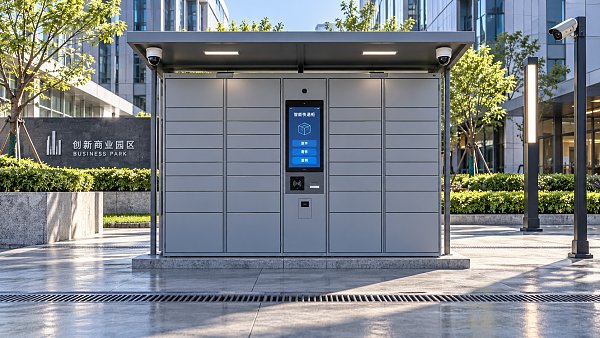
An outdoor parcel locker can look ready for service the moment it is anchored to the ground and switched on. In reality, that is when many preventable problems begin: rainwater finds a cable entry point, a delivery driver loses mobile signal, a door cannot open safely into a pedestrian route, or a cabinet overheats under direct afternoon sun. The result is not merely an inconvenient collection point. It can mean failed deliveries, locked-in parcels, support calls, security concerns, and an installation that costs far more to correct after launch.
So, what should be checked before deploying parcel lockers outdoors? The answer is broader than cabinet durability. Operators need to assess the physical site, local climate, electrical and communications resilience, user access, security exposure, maintenance conditions, and the way the locker will connect with the wider delivery and property-management ecosystem. A good pre-deployment review turns an outdoor locker from a piece of hardware into dependable last-mile infrastructure.
Begin with the location, not the locker specification
Procurement teams often start by comparing compartment counts, screen sizes, electronic locks, and software features. Those decisions matter, but the site should set the baseline. An outdoor locker installation must fit naturally into the daily movement of residents, shoppers, employees, couriers, visitors, and maintenance staff.
Walk the proposed location at different times of day. A spot that appears accessible at midday may become poorly lit, congested, or difficult to approach after dark. Consider where delivery vehicles can stop without blocking traffic, bicycle lanes, fire routes, entrances, or accessible parking. Couriers should be able to unload parcels without carrying them across a hazardous route or leaving them unattended beside the vehicle.
The user journey deserves the same attention. Can a person carrying bags, pushing a stroller, or using a wheelchair reach the terminal without navigating steps, uneven paving, parked cars, or narrow gaps? Is there sufficient space for a user to stand at the screen while another person passes behind them? These details influence adoption. A locker that feels awkward or exposed will be used reluctantly, even if its software is excellent.
Before finalizing the location, confirm property boundaries, landowner approval, building-management requirements, planning restrictions, fire access rules, and utility easements. In mixed-use developments, a location that suits residents may conflict with retail loading operations or cleaning schedules. Resolving those issues before civil works begin is far easier than moving a fully installed locker bank later.
Weather resistance is a system question
Outdoor-rated enclosures are essential, but weather performance should not be reduced to a single ingress-protection rating. Rain, wind-driven dust, salt air, ultraviolet exposure, frost, snow, condensation, and intense solar gain affect different parts of the installation in different ways.
Check the enclosure construction, door seams, display protection, ventilation paths, lock interfaces, hinges, fasteners, cable glands, and the base connection to the ground. Water rarely enters where designers expect it to; it can be driven through gaps by wind, drawn into poorly sealed conduits, or accumulate beneath the cabinet. Materials should also be suitable for the local atmosphere. Coastal, industrial, and high-humidity areas may require stronger corrosion resistance than an inland sheltered location.
Temperature deserves special attention. In very hot environments, direct sun can reduce touchscreen readability, stress batteries and power components, and increase the risk of internal heat buildup. In cold climates, displays, door mechanisms, seals, and touch interfaces may behave differently during freezing conditions. Review the supplier’s stated operating-temperature range and ask how thermal management works under real outdoor exposure rather than in a controlled indoor setting.
Sun orientation is often overlooked. A bank facing low western sun may create glare at the screen when many users are collecting parcels after work. Where possible, evaluate shading, canopy design, screen brightness, and cabinet placement without creating hidden corners that compromise visibility or security.
Drainage and the foundation can determine long-term reliability
A robust cabinet will still fail prematurely if it stands in pooling water or shifts on an inadequate base. Study the site after rain if possible. Look for low points, runoff routes, blocked drains, nearby downpipes, irrigation overspray, and snowmelt paths. Water must drain away from the locker base and from electrical connections below ground.
The foundation should be engineered for the locker’s weight, wind exposure, local soil conditions, and potential impact risks. It needs to keep the cabinet level as well as secure. A slight tilt can affect door alignment, hinge wear, rain shedding, and the perceived quality of the installation. Verify the proposed anchoring method, bolt access, curing requirements for concrete, and whether the base design allows service personnel to inspect or replace cables without dismantling the entire unit.
Do not treat conduit routing as an afterthought. Underground ducts need suitable depth, protection, drainage considerations, and clearly documented routes. A poorly planned conduit may become a water channel or be damaged during later landscaping work.
Power supply: assess continuity, protection, and service access
Outdoor parcel lockers rely on stable power for controllers, screens, electronic locks, lighting, communications equipment, and sometimes heating or cooling elements. A nearby outlet is not enough. The electrical design should be reviewed by qualified personnel against local codes, expected load, grounding requirements, surge protection, isolation procedures, and weatherproof connection standards.
Ask practical questions. Is the circuit dedicated or shared with other equipment that could cause interruptions? What happens during a short outage? Can users still retrieve parcels, or does the system require backup power and a defined emergency access process? Is there protection against lightning-related surges in exposed areas? How will a technician safely isolate power when servicing the locker?
Battery backup may be valuable, but it is not a substitute for a realistic continuity plan. Operators should understand which functions remain available during an outage, how long they can remain available, and how exceptions are communicated to users and delivery partners. A locker network should fail predictably rather than simply becoming a row of inaccessible doors.
Confirm network coverage where the locker will actually operate
Connectivity is the nervous system of a smart locker deployment. It supports parcel notifications, access credentials, remote monitoring, fault reporting, software updates, delivery workflows, and audit records. Yet a coverage map does not guarantee reliable service at the cabinet’s precise location.
Test cellular signal on site, including inside or behind the proposed enclosure position. Concrete walls, metal structures, underground parking areas, dense urban construction, and nearby electrical equipment can affect performance. If the locker uses Wi-Fi, assess signal strength, network ownership, credential management, bandwidth availability, and whether the connection remains stable when the surrounding area is busy.
For critical installations, consider communication resilience: a managed wired connection, a primary cellular link with a backup option, or another approach suited to the site. The correct choice depends on transaction volume, service expectations, and local infrastructure. What matters is that connectivity is planned as an operational requirement, not assumed after installation.
Cybersecurity belongs in this conversation as well. Remote locker management should use controlled access, secure device identities, software update procedures, user-data protection, and clear responsibility for network administration. Physical security and digital security meet at the locker controller; treating them as separate projects leaves avoidable gaps.
Design for people, including the people who will service it
An outdoor locker must be intuitive in poor weather, low light, and busy moments. Check display visibility, interface language needs, tactile cues, lighting, collection instructions, and the readability of compartment labels. If access is by QR code, PIN, mobile app, RFID credential, or biometric-linked identity, make sure the chosen method fits the intended user group and has a clear fallback when a phone battery is dead or a code cannot be received.
Accessibility should be built into the layout rather than added as a compliance note. Reach ranges, clear ground space, screen height, door opening force, and the location of accessible compartments all affect whether the service works for everyone. Large or heavy parcels require a different handling assessment from small-document lockers. A door that opens into a narrow walkway can create a collision risk; a high compartment may be unsuitable for many users.
Maintenance teams also need room to work. They may need to open rear or side panels, replace a lock module, clean a screen, inspect drainage, or handle an oversized parcel exception. Confirm access routes, safe working space, lighting, parking permissions, and whether servicing can be completed without disrupting residents or customers.
Evaluate theft, tampering, and the surrounding security environment
Parcel lockers reduce the risk of unattended deliveries, but their presence can attract attempts at forced entry, prying, tampering with screens, interference with cameras, or theft of the entire unit if anchoring is inadequate. The appropriate level of protection depends on parcel values, local crime patterns, operating hours, foot traffic, and whether the site is supervised.
Review the cabinet’s physical security features: compartment-door construction, hinge protection, lock design, anti-pry geometry, reinforced areas around the terminal, secure electronics housing, anchoring, and resistance to common vandalism methods. Electronic lock reliability matters as much as strength. A lock that does not report its true status, or that repeatedly fails in wet conditions, creates both security and operational problems.
The surroundings matter just as much. Good lighting, open sightlines, nearby CCTV coverage, and natural visibility from occupied buildings can discourage misuse. Avoid placing lockers beside concealment points such as dense landscaping, service alleys, or poorly monitored walls. If cameras are used, confirm that their field of view covers the user area and the cabinet face, not merely the general vicinity.
Operators should define incident procedures before launch: who receives forced-entry alerts, how users are informed if a compartment is unavailable, how evidence is retained, and who can authorize emergency opening. Audit trails should be accurate and protected, especially when the locker is integrated with access control or property-management platforms.
Make delivery operations fit the compartment strategy
A parcel locker is not automatically efficient just because it has many doors. The compartment mix must reflect actual parcel profiles, delivery peaks, dwell times, return handling, and expected user behavior. A residential site may need a different balance of small, medium, and large compartments than a campus, retail center, hospital, or transport hub.
Review how carriers will authenticate, deposit parcels, handle failed deposits, manage oversized items, and retrieve returns. Ask whether multiple logistics partners can use the platform without creating confusing workflows or fragmented user notifications. Where lockers serve several tenants or retailers, rules for compartment allocation, parcel retention periods, and uncollected-item escalation should be agreed in advance.
Capacity planning should account for seasonal surges. A locker that appears sufficient in an ordinary week may be overwhelmed during holidays, promotional campaigns, or move-in periods. If expansion is likely, leave physical and electrical provision for additional modules rather than forcing a costly redesign later.
Turn the survey into a deployment decision
The strongest projects convert site observations into a documented acceptance checklist. Record photographs, measurements, drainage notes, utility routes, signal tests, accessibility observations, security risks, and responsible parties for corrective work. This creates a shared reference for the property owner, installer, locker supplier, network operator, and logistics partners.
Before handover, test the complete experience rather than individual components in isolation. Deposit a parcel, send a notification, collect it after dark, simulate a weak network condition, verify door-status reporting, check emergency contacts, and inspect the cabinet after rain or washdown conditions where appropriate. A short, disciplined commissioning period often reveals issues that a specification sheet cannot.
Ultimately, checking conditions before deploying parcel lockers outdoors is about protecting confidence. Users need to trust that their parcel will be secure and available when promised. Couriers need a quick, dependable handoff point. Property managers need an installation that improves the site instead of generating complaints. When climate exposure, infrastructure, access, security, and operations are considered together, an outdoor locker network is far more likely to deliver the reliability that last-mile logistics demands.
Have questions about this sector analysis, or seeking best practices specific to your niche? Drop us a line below and let the senior consultants at MHLS assist you.
We respect your privacy. Your information is strictly confidential.
Recommended News
 Financial Facility Security: Choosing Vault Doors for Bank BranchesVault Structural ArchitectStrengthen financial facility security with the right bank vault door. Explore certification, installation, locking controls and maintenance before you buy.
 MACO Acquires Majority Stake in Fingerprint Access Provider ekeyProf. Elara SterlingMACO acquires a majority stake in ekey, bringing fingerprint access and door hardware closer together. Discover what the deal could mean for smart buildings.
 Physical Security System Engineering: From Risk Assessment to System DesignUnmanned Terminal FellowExplore physical security system engineering, from risk assessment to integrated design, procurement and testing. Build a safer, more resilient facility.
 Apple Home Collection Smart Lock and Other Accessories Open for Preorder November 13Biometric Auth ScientistApple Home Collection preorders open November 13, 2026. Explore the LG smart lock’s Matter and Aliro support and what buyers should verify before ordering.
 Choosing Servo-Driven Flap Barriers: Throughput, Safety and Access ControlAccess Control StrategistServo-driven flap barriers can balance throughput, safety and access control. Discover how to compare lanes, test performance and choose with confidence.
 Parcel Locker Network Pricing: Setup Costs, Fees and Contract TermsUnmanned Terminal FellowCompare parcel locker networks pricing, from setup costs and recurring fees to contract terms. Discover hidden charges and choose the right model.
 JR East Plans UWB Walk-Through Gates at 40 Stations in Spring 2028Access Control StrategistJR East plans UWB walk-through gates at 40 stations in spring 2028. Explore the rollout timeline and what suppliers should watch.
 Bank Vault Security Standards: UL and EN Ratings ExplainedVault Structural ArchitectExplore bank vault security standards and learn how UL 608 classes and EN 1143-1 grades differ, what they test, and how to verify certification before you buy.
 Mechanical Lock Hardware Prices: What Buyers Should Budget for Bulk OrdersMr. Gideon CrossMechanical lock hardware price is just the starting point. Discover what drives bulk-order costs and how to compare supplier quotes with confidence.
 IndexBox Forecasts Steady Global Security Keypad Market Growth Through 2035Dr. Valerius ThorneGlobal security keypad market growth is forecast at 3.3% annually through 2035. Explore the smart home and replacement trends shaping demand.
 Choosing an Infrared Safety Sensors Manufacturer: What Buyers Should CheckUnmanned Terminal FellowChoosing an infrared safety sensors manufacturer? Compare safety evidence, integration, environmental performance and lifecycle costs before you buy.
 Choosing a Security Material Testing Service: What to Check for Lock and Safe MaterialsProf. Elara SterlingChoose a security material testing service with confidence. Learn what to check for lock and safe materials, from attack methods and accreditation to reliable reports.











