
EU CE Rule Adds Ballistic and AI Liveness Tests
On July 1, 2026, the EU will begin enforcing Regulation EU 2026/1189, adding two new CE compliance requirements for RFID Asset Lockers and Outdoor Smart Parcel Lockers entering the EU market. Beyond existing EMC and LVD obligations, affected products must now meet EN 1522/1523 B3 ballistic resistance requirements for cabinet structures and lock mounting strength, while identity verification modules must pass AI-driven liveness detection certification under EN IEC 63179:2025. For exporters, manufacturers, component suppliers, and compliance teams, this matters because the rule shifts CE preparation from routine electrical documentation toward a broader product, hardware, and identity-verification review.
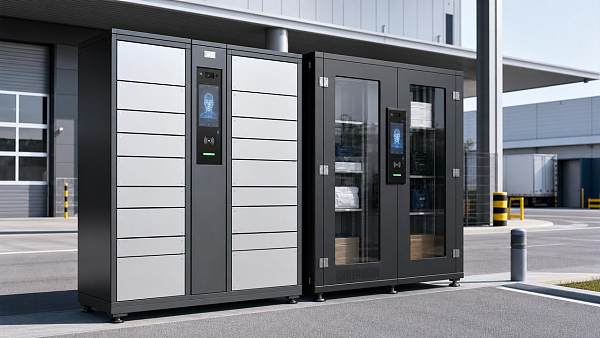
What the regulation now requires
According to the provided information, EU Regulation 2026/1189 will formally take effect on July 1, 2026. It applies to all RFID Asset Lockers and Outdoor Smart Parcel Lockers placed on the EU market.
The new rule adds two mandatory compliance items on top of existing EMC and LVD requirements. First, physical protection must satisfy EN 1522/1523 at B3 level, specifically covering the metal cabinet structure and the installation strength of locking systems. Second, identity verification modules must be certified for AI-driven liveness detection under EN IEC 63179:2025.
The rule also states that solutions relying only on static images or 2D facial recognition are not allowed for this purpose. The update directly affects more than 230 export-oriented smart locker manufacturers in China in terms of CE technical file updates and type-testing arrangements.
Where the pressure is likely to appear first
Export manufacturers face documentation and testing adjustments
From an industry perspective, manufacturers shipping RFID lockers and outdoor parcel lockers to the EU are the most directly affected group. The immediate impact is likely to fall on CE technical documentation, product configuration review, and type-testing schedules, because both structural protection and identity verification functions now require additional proof beyond the earlier compliance baseline.
Hardware and enclosure supply chains may need closer coordination
Analysis shows that suppliers involved in metal cabinet fabrication, lock integration, and related structural assemblies may also come under greater scrutiny. The reason is that the new requirement is not limited to software or electronics; it explicitly references cabinet structure and lock installation strength, which links compliance to physical product design and assembly quality.
Identity verification providers move into a compliance-critical role
Service providers or module vendors supplying facial verification capability may see a more central role in market access preparation. What deserves closer attention is that the regulation does not accept systems based only on static images or 2D face recognition, which means identity verification is no longer just a feature choice but part of a mandatory compliance path for affected products.
EU buyers and project operators may focus more on proof readiness
For buyers, distributors, and operators sourcing these locker systems for EU deployment, the practical impact may appear in supplier qualification, pre-shipment review, and delivery timing. Observably, product acceptance may depend not only on general CE claims but also on whether suppliers can clearly present updated test and certification materials for both protection performance and liveness detection.
What companies should watch now
Track the scope of affected product lines
Companies should first confirm whether their exported models fall within the stated categories of RFID Asset Lockers and Outdoor Smart Parcel Lockers. In practice, this is the starting point for deciding which technical files, test plans, and customer commitments may require revision.
Review whether current verification modules meet the new threshold
Where products currently depend on static-image checks or 2D facial recognition, the key issue is whether those configurations can still support EU market access after July 1, 2026. The distinction between an existing feature and a certifiable AI-driven liveness detection module is likely to become an immediate review point in product planning and customer communication.
Prepare for updated type-testing and document cycles
The provided information already indicates an effect on CE technical file updates and type-testing arrangements. For exporters and compliance teams, that makes document readiness, testing sequence, and coordination with suppliers especially important, particularly where multiple product variants share similar structures or authentication modules.
Separate policy language from delivery commitments
Analysis shows that one practical challenge will be translating the regulatory text into delivery decisions. Businesses may need to distinguish between what the rule clearly mandates now and what still requires further official clarification in implementation, especially when discussing lead times, acceptance conditions, or transition planning with EU customers.
Why this looks like more than a short-term filing update
As an editorial observation, this development is better understood as a concrete compliance tightening rather than a routine administrative revision. The rule links CE access for the affected locker categories to both physical attack resistance and AI-based identity assurance, which raises the compliance threshold across hardware design and user verification at the same time.
At the same time, it is more appropriate to understand this as an active regulatory signal that still requires close follow-up in practice. The confirmed facts establish the effective date and the mandatory standards, but market participants will still need to watch how testing, documentation interpretation, and procurement expectations develop around those stated requirements.
How the market may read this change for now
For the smart locker sector, the immediate meaning of this update is clear: EU-bound RFID Asset Lockers and Outdoor Smart Parcel Lockers will need broader compliance preparation than before. The significance lies less in headline effect and more in the operational consequences for product design review, certification planning, supplier coordination, and customer-facing documentation.
At this stage, it is more appropriate to understand the news as an enforceable near-term compliance change with longer-term signaling value. It already creates defined obligations for affected products, while also indicating that future market access discussions may place greater weight on both structural security performance and verified liveness capability.
Basis of this article
This article is based on the user-provided news title, event date, and event summary related to EU Regulation 2026/1189 and its July 1, 2026 implementation timeline. The factual section reflects only the information provided in that input.
For this type of industry update, relevant source categories typically include official regulatory notices, company compliance notices, industry association updates, authoritative media reporting, and standards organization documents. A specific official source link was not provided in the input, so continued verification remains necessary.
Areas for follow-up include any further official wording, testing interpretation, certification practice, and implementation details that may affect technical files, type testing, and supplier-buyer coordination for products entering the EU market.
Have questions about this sector analysis, or seeking best practices specific to your niche? Drop us a line below and let the senior consultants at MHLS assist you.
We respect your privacy. Your information is strictly confidential.
Recommended News
 Physical Security Infrastructure Cost: Budgeting for Installation and MaintenanceUnmanned Terminal FellowUnderstand physical security infrastructure cost and build a smarter budget for installation, maintenance, and long-term ownership.
 Financial Facility Security: Choosing Vault Doors for Bank BranchesVault Structural ArchitectStrengthen financial facility security with the right bank vault door. Explore certification, installation, locking controls and maintenance before you buy.
 MACO Acquires Majority Stake in Fingerprint Access Provider ekeyProf. Elara SterlingMACO acquires a majority stake in ekey, bringing fingerprint access and door hardware closer together. Discover what the deal could mean for smart buildings.
 Physical Security System Engineering: From Risk Assessment to System DesignUnmanned Terminal FellowExplore physical security system engineering, from risk assessment to integrated design, procurement and testing. Build a safer, more resilient facility.
 Apple Home Collection Smart Lock and Other Accessories Open for Preorder November 13Biometric Auth ScientistApple Home Collection preorders open November 13, 2026. Explore the LG smart lock’s Matter and Aliro support and what buyers should verify before ordering.
 Choosing Servo-Driven Flap Barriers: Throughput, Safety and Access ControlAccess Control StrategistServo-driven flap barriers can balance throughput, safety and access control. Discover how to compare lanes, test performance and choose with confidence.
 Parcel Locker Network Pricing: Setup Costs, Fees and Contract TermsUnmanned Terminal FellowCompare parcel locker networks pricing, from setup costs and recurring fees to contract terms. Discover hidden charges and choose the right model.
 JR East Plans UWB Walk-Through Gates at 40 Stations in Spring 2028Access Control StrategistJR East plans UWB walk-through gates at 40 stations in spring 2028. Explore the rollout timeline and what suppliers should watch.
 Bank Vault Security Standards: UL and EN Ratings ExplainedVault Structural ArchitectExplore bank vault security standards and learn how UL 608 classes and EN 1143-1 grades differ, what they test, and how to verify certification before you buy.
 Mechanical Lock Hardware Prices: What Buyers Should Budget for Bulk OrdersMr. Gideon CrossMechanical lock hardware price is just the starting point. Discover what drives bulk-order costs and how to compare supplier quotes with confidence.
 IndexBox Forecasts Steady Global Security Keypad Market Growth Through 2035Dr. Valerius ThorneGlobal security keypad market growth is forecast at 3.3% annually through 2035. Explore the smart home and replacement trends shaping demand.
 Choosing an Infrared Safety Sensors Manufacturer: What Buyers Should CheckUnmanned Terminal FellowChoosing an infrared safety sensors manufacturer? Compare safety evidence, integration, environmental performance and lifecycle costs before you buy.











