
How to Choose Electronic Locking Systems for Cabinets by Access Level and Audit Needs
How to Choose Electronic Locking Systems for Cabinets by Access Level and Audit Needs
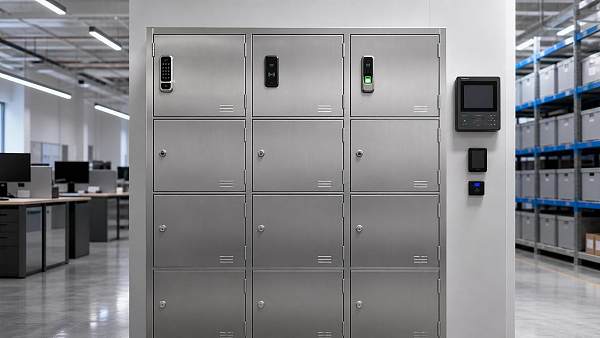
Choosing electronic locking systems for cabinets is not only about convenience. It is a risk control decision tied to access rights, accountability, and operational continuity.
In real projects, cabinet security often sits between physical storage and digital access control. That position makes selection more sensitive than many teams first expect.
Some cabinets hold tools, keys, devices, samples, records, medicines, or regulated assets. Each use case changes the right level of authentication and audit visibility.
The practical question is simple. Which electronic locking systems for cabinets fit user volume, security risk, and audit expectations without creating unnecessary complexity?
A strong answer starts with access level design. Then it moves to event logging, system integration, maintenance, and failure handling.
Start with access level, not lock format
Many teams compare keypad, RFID, Bluetooth, or biometric options first. That is understandable, but it often leads to the wrong shortlist.
A better method is to define who needs access, how often access changes, and whether users act alone or under supervision.
From there, electronic locking systems for cabinets become easier to compare. The lock is no longer a gadget. It becomes part of a controlled workflow.
- Low access complexity: one user or a small fixed team.
- Medium complexity: multiple users with shift changes.
- High complexity: many users, temporary rights, or cross-site administration.
This first sort quickly narrows the field. It also reveals whether standalone or networked electronic locking systems for cabinets make more sense.
Match the lock to three practical access tiers
Tier 1: Fixed users with simple accountability
This tier fits cabinets used by a small maintenance team, one department, or a single operator per shift.
In these cases, standalone electronic locking systems for cabinets can be enough. PIN locks, RFID locks, or keypad plus card combinations are common choices.
The goal here is controlled convenience. You still want basic event records, but you may not need live monitoring or central permission updates.
Tier 2: Shared access with routine audit needs
This tier is common in healthcare, laboratories, logistics sites, schools, and multi-team offices. User groups change more often, and traceability matters more.
At this level, electronic locking systems for cabinets should support named credentials, time-stamped openings, and role-based permissions.
You may also need scheduled access windows. For example, a contractor can open a cabinet only during an approved service period.
Tier 3: Restricted access with high audit demand
This tier applies to sensitive assets, regulated materials, confidential records, cash-related storage, or critical infrastructure environments.
Here, electronic locking systems for cabinets usually need stronger authentication, richer logs, and tighter integration with broader access control systems.
Dual authorization, biometric verification, forced-entry alerts, and exception reporting may all be relevant at this stage.
Audit needs should shape the final decision
Audit is where many selections succeed or fail. A cabinet lock may open reliably, yet still fall short if records are incomplete or hard to verify.
When comparing electronic locking systems for cabinets, ask what events are captured and how easily those records can be exported or reviewed.
- Who opened the cabinet?
- When was it opened and closed?
- Were there failed attempts or tamper events?
- Was access remote, local, scheduled, or emergency based?
- Can reports be filtered by user, cabinet, site, or time?
The difference between basic logs and usable audit data is significant. Usable data supports investigations, compliance checks, and internal policy enforcement.
That also means storage and retention policies matter. If logs disappear too quickly, the system may not support real operational review.
Compare authentication methods by risk and usability
Authentication should reflect both asset sensitivity and user behavior. Stronger security is useful only if daily operation remains manageable.
In practice, many electronic locking systems for cabinets now support mixed modes. That flexibility is useful when user groups have different risk profiles.
Do not ignore integration and lifecycle factors
A technically strong lock can still be a poor choice if it sits outside existing workflows. Integration often determines long-term value.
For that reason, review how electronic locking systems for cabinets connect with current badge systems, directory services, alarms, and reporting tools.
- Can user rights be updated centrally?
- Will the system work during network interruption?
- How are batteries monitored and replaced?
- Is there a secure emergency override process?
- Can one platform manage multiple cabinet types?
Battery status deserves special attention. Many service failures come from neglected power planning rather than lock mechanism defects.
Mechanical robustness matters too. Electronic locking systems for cabinets still rely on latch design, housing strength, and resistance to forced manipulation.
Use a short evaluation checklist before approval
A concise checklist keeps selection disciplined. It also helps align security, operations, procurement, and facility management teams.
- Define cabinet contents and consequence of unauthorized access.
- Map all user groups, including temporary and external users.
- Set the minimum acceptable audit trail.
- Choose authentication based on real misuse risk.
- Check integration with existing access and reporting systems.
- Review battery, override, and maintenance procedures.
- Test reporting output before final purchase.
- Run a pilot in one live operational area.
This process usually exposes the gap between attractive features and actual fit. That gap is where many cabinet lock projects lose value.
Final decision: choose for control, not just access
The best electronic locking systems for cabinets are the ones that match operational reality. They support the right users, create clear accountability, and remain manageable over time.
For lower-risk cabinets, simple standalone solutions may be enough. For shared or sensitive assets, stronger audit functions and centralized control become much more important.
That is the key decision frame. Do not buy electronic locking systems for cabinets based only on unlocking method. Buy them based on access structure, audit depth, and response readiness.
When those three points align, cabinet security becomes easier to manage, easier to verify, and more defensible during reviews, incidents, and compliance checks.
Have questions about this sector analysis, or seeking best practices specific to your niche? Drop us a line below and let the senior consultants at MHLS assist you.
We respect your privacy. Your information is strictly confidential.
Recommended News
 Parcel Locker Network Pricing: Setup Costs, Fees and Contract TermsUnmanned Terminal FellowCompare parcel locker networks pricing, from setup costs and recurring fees to contract terms. Discover hidden charges and choose the right model.
 JR East Plans UWB Walk-Through Gates at 40 Stations in Spring 2028Access Control StrategistJR East plans UWB walk-through gates at 40 stations in spring 2028. Explore the rollout timeline and what suppliers should watch.
 Bank Vault Security Standards: UL and EN Ratings ExplainedVault Structural ArchitectExplore bank vault security standards and learn how UL 608 classes and EN 1143-1 grades differ, what they test, and how to verify certification before you buy.
 Mechanical Lock Hardware Prices: What Buyers Should Budget for Bulk OrdersMr. Gideon CrossMechanical lock hardware price is just the starting point. Discover what drives bulk-order costs and how to compare supplier quotes with confidence.
 IndexBox Forecasts Steady Global Security Keypad Market Growth Through 2035Dr. Valerius ThorneGlobal security keypad market growth is forecast at 3.3% annually through 2035. Explore the smart home and replacement trends shaping demand.
 Choosing an Infrared Safety Sensors Manufacturer: What Buyers Should CheckUnmanned Terminal FellowChoosing an infrared safety sensors manufacturer? Compare safety evidence, integration, environmental performance and lifecycle costs before you buy.
 Choosing a Security Material Testing Service: What to Check for Lock and Safe MaterialsProf. Elara SterlingChoose a security material testing service with confidence. Learn what to check for lock and safe materials, from attack methods and accreditation to reliable reports.
 How Precision Anti-Pick Lock Cylinders Resist ManipulationSecurity Metallurgy ExpertDiscover how precision anti-pick lock technology resists manipulation, and learn what to check when comparing security features, test evidence, and everyday reliability.
 Dermalog Joins NIST FastCAP Program for Contactless Fingerprint TestingProf. Elara SterlingDermalog joins the NIST FastCAP program for contactless fingerprint testing. Discover what this means for biometric identification and digital identity.
 Choosing Security Export Compliance Services: What Providers Should CoverMr. Gideon CrossSecurity export compliance services can help prevent costly delays. Discover what to look for in classification, licensing, screening, and documentation.
 European Security Compliance Standards for Safes: EN 1143-1 vs EN 14450Dr. Valerius ThorneExplore security compliance standards Europe buyers need to know. Compare EN 1143-1 and EN 14450 to choose the right safe with confidence.
 HID Global Acquires inepro ID to Expand RFID and BLE Access SolutionsUnmanned Terminal FellowHID Global acquires inepro ID to expand RFID and BLE access solutions for printers, smart lockers and shared devices. Explore what the deal could mean for your organization.











