
How to Choose Smart Locker Solutions for Apartments: Access, Capacity, and Tenant Needs
How to Evaluate Smart Locker Solutions for Apartments
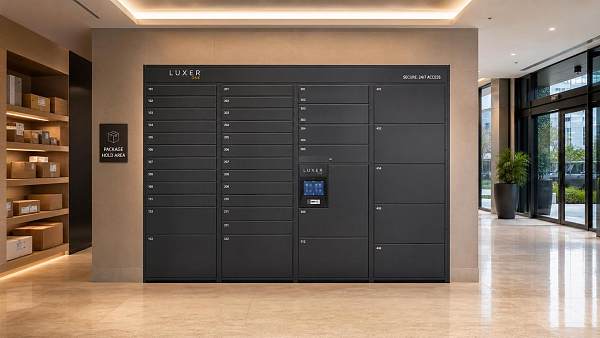
Choosing smart locker solutions for apartments is not just about adding package boxes near the lobby.
The real decision involves access security, parcel flow, installation limits, and the daily habits of residents.
That matters even more now, because apartment deliveries are growing faster than many buildings were designed to handle.
In practice, poor locker selection creates overflow, delivery delays, tenant complaints, and extra work for property teams.
Good smart locker solutions for apartments reduce manual handling, improve parcel security, and support smoother operations.
The best systems also fit building traffic patterns, access rules, and long-term occupancy changes.
This is why selection should start with operational reality, not only product brochures or app screenshots.
Start with Access Control, Not Hardware Size
Access is the first filter when reviewing smart locker solutions for apartments.
If the wrong people can open compartments, the system fails regardless of cabinet quality.
A strong access model usually separates permissions for couriers, tenants, cleaners, leasing staff, and maintenance teams.
That separation reduces misuse and creates a cleaner audit trail.
Key access questions to review
- Does the system support PIN, QR code, app unlock, and staff override controls?
- Can temporary delivery credentials expire automatically after one use?
- Is there a full event log for door openings, failed attempts, and parcel retrieval?
- Can locker access integrate with the building access control platform?
- Is remote lock management available for after-hours incidents?
For many sites, integration is the difference between convenience and another isolated system to manage.
When smart locker solutions for apartments connect with resident databases or access credentials, onboarding becomes easier.
That also helps when residents move out, because permissions can be removed without manual locker administration.
From a risk perspective, project teams should also ask how the system handles network outages.
Offline credential validation and secure local event storage are especially important in high-traffic buildings.
Match Capacity to Delivery Reality
Capacity planning is where many smart locker solutions for apartments succeed or fail.
A locker bank may look large on paper but still perform poorly during peak periods.
The key issue is not only the number of doors.
It is the mix of compartment sizes, parcel turnover speed, and seasonal delivery spikes.
What to measure before selecting capacity
- Average daily parcel volume per building.
- Peak volume during holidays, promotions, and move-in periods.
- Percentage of small, medium, oversized, and irregular parcels.
- Average pickup time by residents.
- Failed pickups or abandoned package frequency.
These figures create a more realistic baseline than unit count alone.
For example, a 300-unit apartment property with frequent grocery delivery may need a different configuration than a 300-unit student complex.
That is why smart locker solutions for apartments should be sized by behavior patterns, not just occupancy.
Modular expansion matters too.
If the system cannot scale, early savings may become expensive retrofit costs later.
A flexible layout with add-on columns or mixed-size modules gives more room for growth.
Consider Tenant Needs Beyond Parcel Pickup
Residents judge smart locker solutions for apartments by convenience, not just security features.
If pickup takes too long or notifications are unclear, adoption will suffer.
This becomes more visible in mixed-tenant communities with varied schedules and digital habits.
Resident experience factors to compare
- Clear pickup notifications by app, SMS, or email.
- Simple retrieval steps with minimal screen time.
- Accessible height and reach for different users.
- Support for returns, outgoing parcels, or service drop-offs.
- Multilingual interface options where needed.
A user-friendly system can also reduce pressure on front-desk staff.
That matters in properties trying to lower operational overhead without lowering resident satisfaction.
Another practical point is after-hours access.
Many tenants retrieve parcels late at night, so locker placement and lighting should support safe use.
In other words, smart locker solutions for apartments should work within real living patterns.
Review Installation, Power, and Network Constraints Early
Even strong smart locker solutions for apartments can become difficult projects if site conditions are ignored.
This is one of the most common planning mistakes in apartment deployments.
Teams should confirm lobby dimensions, wall loading, delivery path width, ventilation, and accessibility requirements early.
Power and connectivity planning are just as important.
Some locker systems rely on stable Ethernet, while others use Wi-Fi or 4G connectivity.
The right option depends on building IT policies, signal stability, and maintenance preferences.
Site-readiness checklist
Early site validation keeps apartment locker projects on schedule and reduces rework.
Compare Security, Reliability, and Service Support
Security for smart locker solutions for apartments should be reviewed at both physical and digital levels.
Physical security includes cabinet strength, hinge protection, lock durability, and tamper response.
Digital security includes credential protection, encrypted communication, admin control, and software update discipline.
Reliability matters just as much.
A feature-rich locker that fails during peak delivery hours will quickly lose trust.
Ask suppliers for evidence, not claims
- Field uptime records from similar apartment projects.
- Electronic lock lifecycle data and replacement procedures.
- Cybersecurity practices for user data and access credentials.
- Spare part availability and response time commitments.
- Training support for property operations teams.
Service structure often becomes the hidden differentiator.
Some smart locker solutions for apartments look competitive at purchase stage but create long-term support gaps.
That is why maintenance workflows, remote diagnostics, and local service reach should be reviewed before approval.
Build a Practical Selection Framework
A practical decision process makes smart locker solutions for apartments easier to compare across suppliers.
The goal is to align technical features with building operations and resident expectations.
Recommended evaluation sequence
- Define delivery volume, tenant behavior, and staffing model.
- Map access roles and integration requirements.
- Audit site conditions, utilities, and compliance constraints.
- Compare locker capacity, modularity, and compartment mix.
- Validate service support, reliability data, and total cost.
This approach keeps the decision grounded in measurable needs.
It also helps avoid overbuying features that do not improve tenant experience or operational efficiency.
In the end, strong smart locker solutions for apartments should deliver secure access, balanced capacity, and an easy resident journey.
When those three elements work together, apartment properties gain better parcel control and fewer daily disruptions.
The most effective next step is simple.
Review your building’s access model, parcel profile, and resident habits first, then shortlist smart locker solutions for apartments that match those realities.
Have questions about this sector analysis, or seeking best practices specific to your niche? Drop us a line below and let the senior consultants at MHLS assist you.
We respect your privacy. Your information is strictly confidential.
Recommended News
 Financial Facility Security: Choosing Vault Doors for Bank BranchesVault Structural ArchitectStrengthen financial facility security with the right bank vault door. Explore certification, installation, locking controls and maintenance before you buy.
 MACO Acquires Majority Stake in Fingerprint Access Provider ekeyProf. Elara SterlingMACO acquires a majority stake in ekey, bringing fingerprint access and door hardware closer together. Discover what the deal could mean for smart buildings.
 Physical Security System Engineering: From Risk Assessment to System DesignUnmanned Terminal FellowExplore physical security system engineering, from risk assessment to integrated design, procurement and testing. Build a safer, more resilient facility.
 Apple Home Collection Smart Lock and Other Accessories Open for Preorder November 13Biometric Auth ScientistApple Home Collection preorders open November 13, 2026. Explore the LG smart lock’s Matter and Aliro support and what buyers should verify before ordering.
 Choosing Servo-Driven Flap Barriers: Throughput, Safety and Access ControlAccess Control StrategistServo-driven flap barriers can balance throughput, safety and access control. Discover how to compare lanes, test performance and choose with confidence.
 Parcel Locker Network Pricing: Setup Costs, Fees and Contract TermsUnmanned Terminal FellowCompare parcel locker networks pricing, from setup costs and recurring fees to contract terms. Discover hidden charges and choose the right model.
 JR East Plans UWB Walk-Through Gates at 40 Stations in Spring 2028Access Control StrategistJR East plans UWB walk-through gates at 40 stations in spring 2028. Explore the rollout timeline and what suppliers should watch.
 Bank Vault Security Standards: UL and EN Ratings ExplainedVault Structural ArchitectExplore bank vault security standards and learn how UL 608 classes and EN 1143-1 grades differ, what they test, and how to verify certification before you buy.
 Mechanical Lock Hardware Prices: What Buyers Should Budget for Bulk OrdersMr. Gideon CrossMechanical lock hardware price is just the starting point. Discover what drives bulk-order costs and how to compare supplier quotes with confidence.
 IndexBox Forecasts Steady Global Security Keypad Market Growth Through 2035Dr. Valerius ThorneGlobal security keypad market growth is forecast at 3.3% annually through 2035. Explore the smart home and replacement trends shaping demand.
 Choosing an Infrared Safety Sensors Manufacturer: What Buyers Should CheckUnmanned Terminal FellowChoosing an infrared safety sensors manufacturer? Compare safety evidence, integration, environmental performance and lifecycle costs before you buy.
 Choosing a Security Material Testing Service: What to Check for Lock and Safe MaterialsProf. Elara SterlingChoose a security material testing service with confidence. Learn what to check for lock and safe materials, from attack methods and accreditation to reliable reports.











