Logistics Security Solutions Cost Breakdown: Budgeting for Warehouses, Yards, and Transit
Why logistics security solutions cost changes across real operating environments
Understanding logistics security solutions cost starts with one practical truth: warehouses, open yards, and moving cargo face very different risks.
A facility storing consumer goods overnight does not budget like a cross-dock handling constant vehicle turnover.
The same applies to transit operations, where cargo visibility, seal integrity, and response speed matter more than perimeter hardware alone.
That is why logistics security solutions cost should be evaluated as a layered investment, not a simple equipment total.
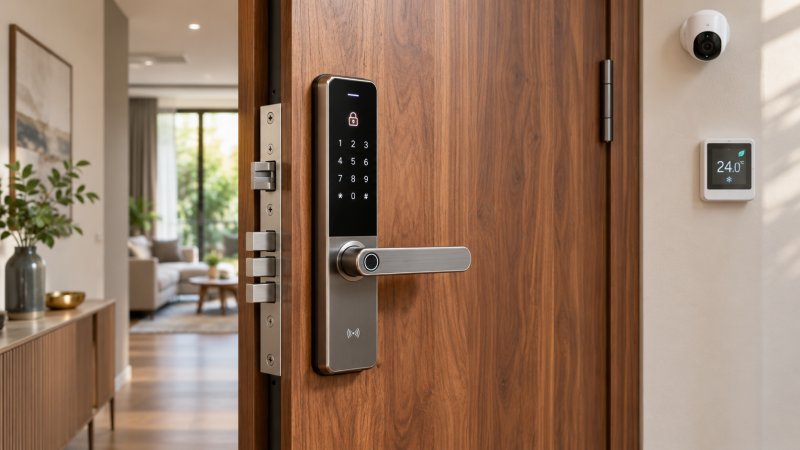
In practice, the budget usually combines access control, surveillance, smart locks, perimeter protection, software integration, installation, and ongoing maintenance.
The decision becomes more complex when compliance, insurance expectations, and operational continuity are also part of the equation.
This is where physical security knowledge matters.
Platforms focused on smart hardware and physical security systems often show that cost differences are rarely caused by one product category alone.
They usually come from how hardware, site conditions, risk exposure, and deployment complexity interact.
Warehouse budgeting usually revolves around controlled entry, internal visibility, and asset segregation
Inside a warehouse, the biggest cost driver is often not the camera count.
It is the number of security layers needed to separate loading bays, inventory zones, returns areas, and high-value cages.
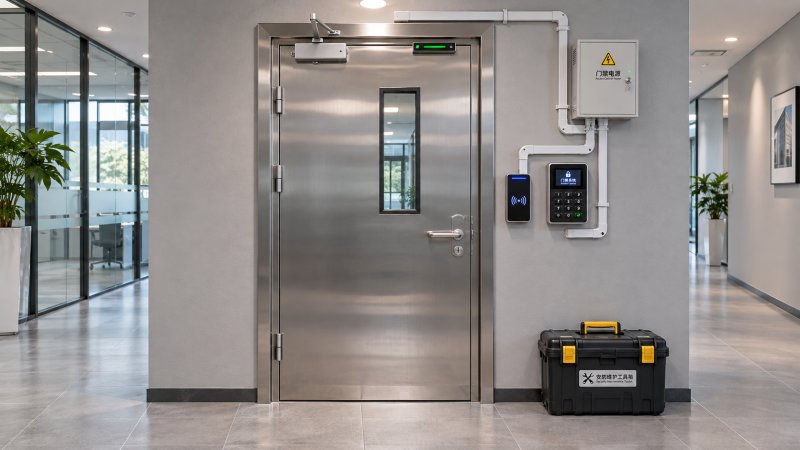
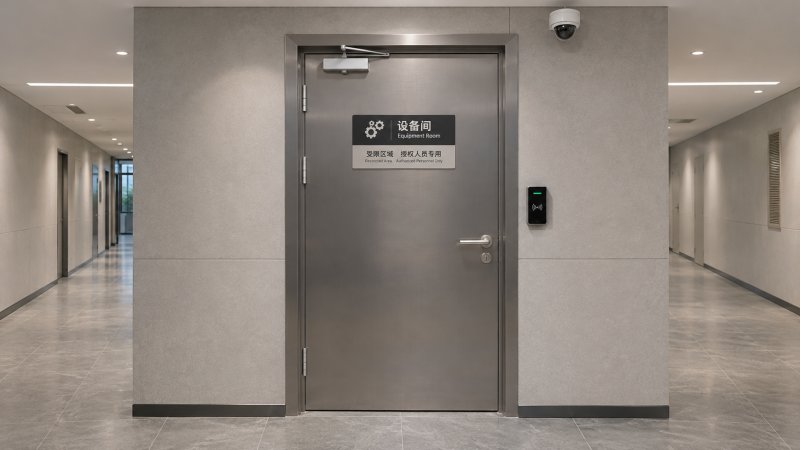
A basic operation may only need badge-based access, standard video coverage, and reinforced door hardware.
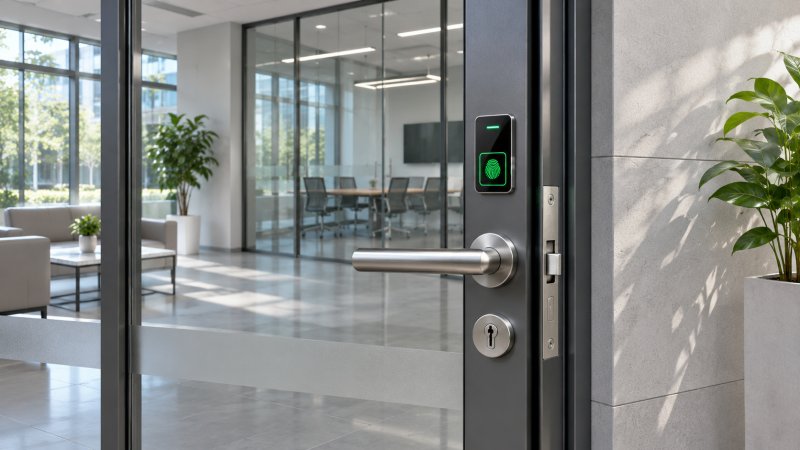
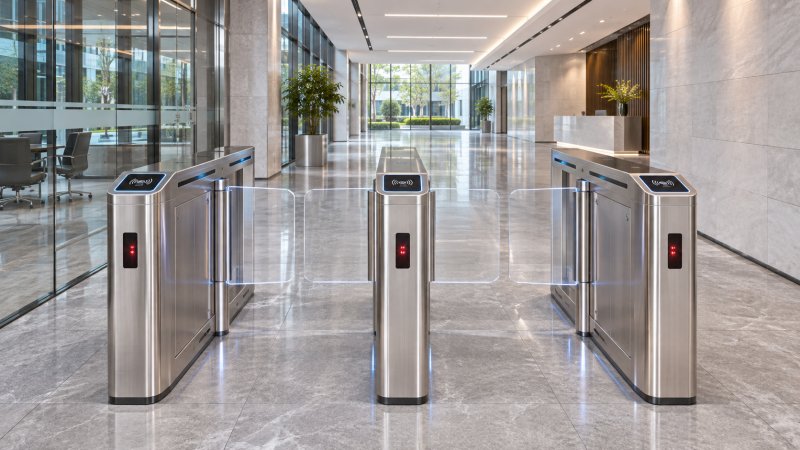
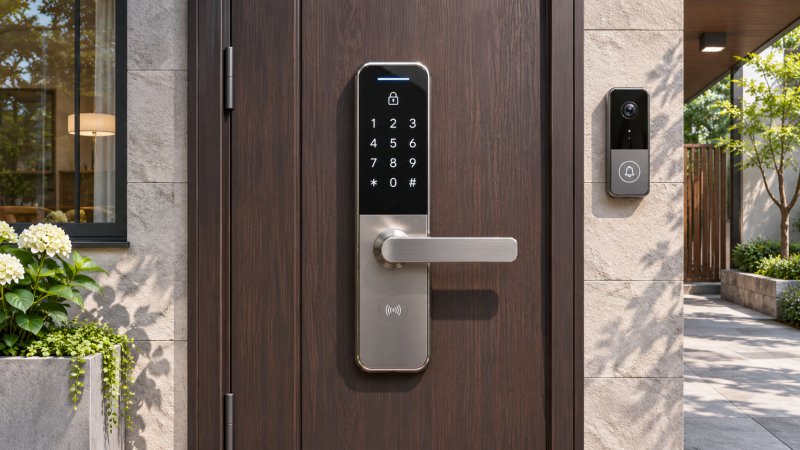
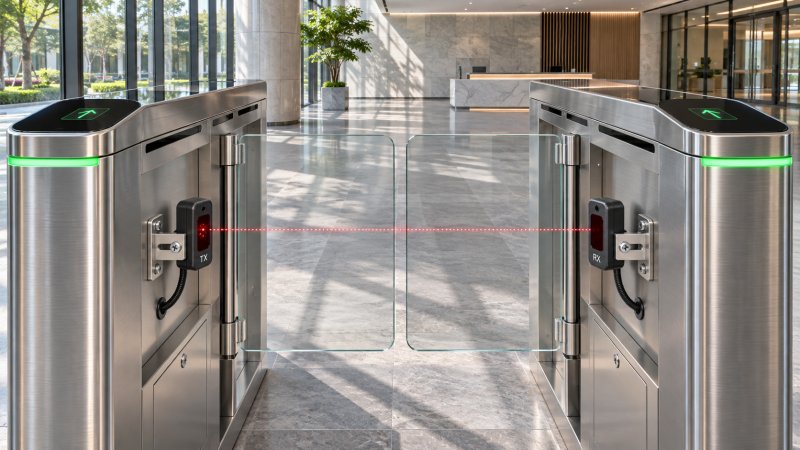
A higher-risk site may need biometric readers, anti-tailgating turnstiles, intrusion sensors, smart lock logging, and stronger protective doors.
That difference has a direct effect on logistics security solutions cost, especially when audit trails are required.
More common budgeting mistakes appear when indoor conditions seem stable, so teams underprice lock durability, network redundancy, or software integration.
If the site runs around the clock, failure tolerance becomes a cost category of its own.
Electronic lock reliability, mechanical override quality, and access platform uptime can matter as much as initial device pricing.
Where high-value items or regulated goods are present, stronger storage hardware may also enter the budget.
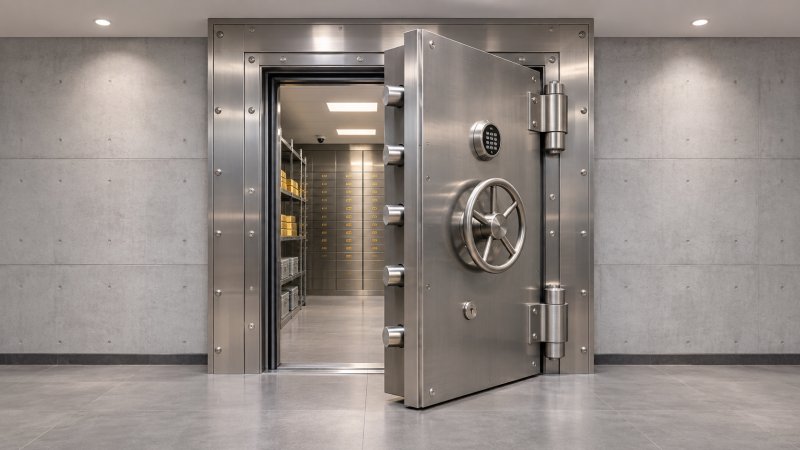
This can include burglary-resistant rooms, anti-drill safes, or compartmentalized secure cabinets, depending on the inventory profile.
What usually pushes cost upward indoors
- More entry points that require monitored credentials and event logging
- Separate zones for high-value stock, returns, or restricted handling
- Integration between cameras, electronic locks, alarms, and access control
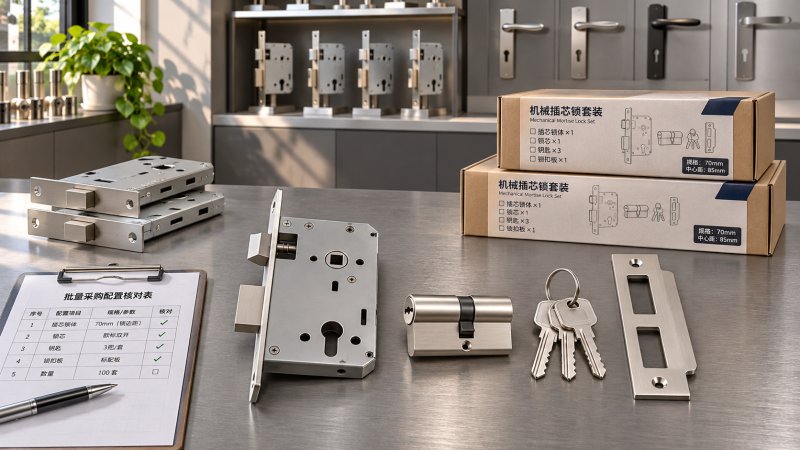
- Stronger door sets, lock cylinders, and attack-resistant hardware
- Downtime risk that demands backup power and mechanical fallback
Open yards shift the budget toward perimeter depth and environmental resilience
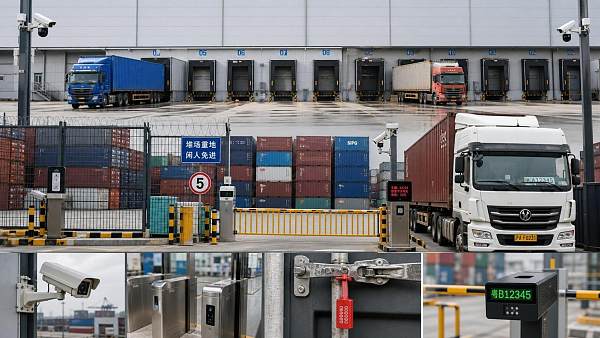
Yards often look simpler than warehouses, but they can produce a higher logistics security solutions cost per protected square meter.
The reason is exposure.
Large perimeters, low lighting, weather stress, and mixed pedestrian and vehicle movement change the hardware requirement.
A yard budget usually expands around fencing upgrades, gate automation, long-range surveillance, infrared detection, and license plate recognition.
If trailer parking is involved, electronic seals, smart padlocks, or container access logging may also be necessary.
This is one area where low upfront pricing can be misleading.
Outdoor cameras without proper ingress protection, unstable wireless links, or weak lock housings usually increase replacement frequency.
In actual use, the better question is not only how much the perimeter system costs today.
It is how often weather, vibration, dust, or impact will force service visits later.
Where yard security budgets are often underestimated
One frequent misjudgment is treating every yard like a fenced parking area.
A container staging yard, fuel yard, and vehicle transfer yard do not carry the same tampering or theft pattern.
Another issue is ignoring response workflow.
Detection hardware without clear alert verification can increase labor cost without reducing actual loss.
Transit security spending depends on visibility gaps more than static barriers
Once cargo leaves a fixed site, logistics security solutions cost shifts again.
The budget no longer centers on gates and fences.
It moves toward shipment integrity, mobile monitoring, and exception response.
For transit operations, the important questions are usually these: where can cargo disappear, who can open access points, and how quickly can an anomaly be verified?
That is why smart locks, electronic seals, GPS-linked event records, and tamper alerts often become more valuable than heavier fixed infrastructure.
In some lanes, parcel security adds another layer.
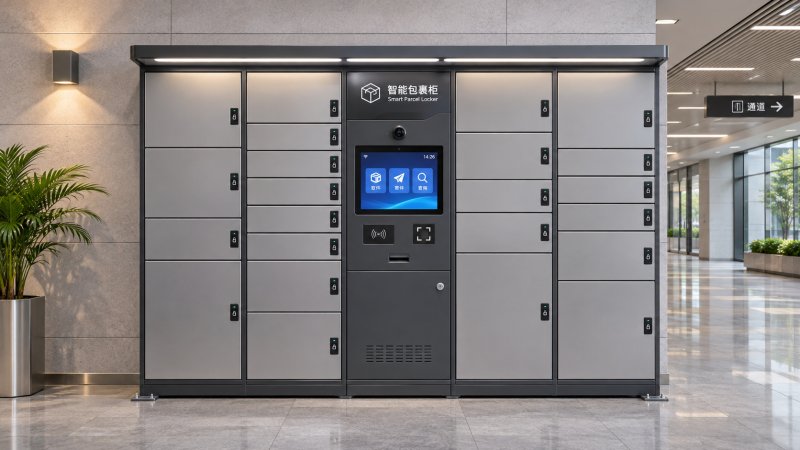
Locker networks, handoff authentication, and digital proof of access can reduce claims, but they also add connectivity and platform costs.
This aligns with the broader physical security trend toward connected hardware, where electronic reliability and audit depth influence total value.
The hidden part of logistics security solutions cost is usually implementation and lifecycle support
Many budgets look reasonable until deployment begins.
Cabling routes, power availability, network coverage, and legacy platform compatibility often reshape the final number.
This is especially true when access control, surveillance, electronic locking, and parcel security must work within one reporting environment.
In that stage, logistics security solutions cost includes more than hardware purchase.
It includes commissioning, testing, software licenses, user permissions, training, cybersecurity hardening, and support contracts.
When stronger physical hardware is specified, another cost layer appears.
Attack-resistant cylinders, protective doors, anti-drill bodies, and high-security enclosures may require structural preparation or certified installation.
That does not make them expensive by default.
It makes them sensitive to context.
In lower-risk areas, such specifications may be excessive.
In high-loss environments, they may be cheaper than recurring shrinkage and claims.
A practical way to frame total cost
- Initial hardware and installation cost
- Integration cost across locks, cameras, alarms, and software
- Operating cost for monitoring, updates, and service visits
- Failure cost from downtime, claims, delays, or weak audit evidence
- Replacement cost when products are not matched to conditions
Where similar sites still need different security budgets
Two sites can have the same footprint and still produce very different logistics security solutions cost outcomes.
The difference often comes from cargo profile, operating rhythm, and evidence requirements after an incident.
A site moving low-margin goods may focus on broad deterrence and event review.
A site handling pharmaceuticals, electronics, or bonded cargo usually needs tighter identity control and stronger chain-of-custody records.
This is also where smart hardware selection becomes more strategic.
Biometric access may reduce credential sharing.
Mechanical high-security cylinders may still be necessary where power failure risks cannot interrupt access continuity.
Smart parcel lockers may be justified in distribution settings with frequent handoffs, but not in every warehouse flow.
The better approach is to match the hardware layer to the operational weak point.
Before setting budget numbers, verify the conditions that usually cause misalignment
Cost planning goes wrong when product specifications are reviewed without site conditions.
It also fails when one incident type dominates planning, while routine operational friction is ignored.
In actual projects, several questions help prevent that mismatch.
- Which openings, zones, or handoff points create the highest loss probability?
- What conditions will stress hardware: dust, impact, tampering, traffic volume, or weather?
- Which events must be recorded for claims, compliance, or internal investigation?
- What existing systems must the new security layer work with?
- How quickly can failed components be serviced without disrupting operations?
These checks make logistics security solutions cost more predictable and far easier to justify internally.
They also reduce the chance of buying advanced hardware that never fits daily operations.
A clearer budgeting path starts with matching risk, hardware depth, and service reality
A useful budget for logistics security is rarely built from product lists alone.
It comes from comparing warehouse control needs, yard exposure, and transit visibility gaps side by side.
From there, logistics security solutions cost becomes a decision framework rather than a rough estimate.
The next step is practical: map each operating area, identify the highest-value risk points, and note where physical hardware, smart locks, surveillance, or parcel security add measurable protection.
Then compare implementation effort, maintenance burden, and expected service life before setting final numbers.
That process usually leads to a more balanced security budget, fewer blind spots, and stronger long-term return from every protective layer.
Have questions about this sector analysis, or seeking best practices specific to your niche? Drop us a line below and let the senior consultants at MHLS assist you.
We respect your privacy. Your information is strictly confidential.
Recommended News
 Physical Security Infrastructure Cost: Budgeting for Installation and MaintenanceUnmanned Terminal FellowUnderstand physical security infrastructure cost and build a smarter budget for installation, maintenance, and long-term ownership.
 Financial Facility Security: Choosing Vault Doors for Bank BranchesVault Structural ArchitectStrengthen financial facility security with the right bank vault door. Explore certification, installation, locking controls and maintenance before you buy.
 MACO Acquires Majority Stake in Fingerprint Access Provider ekeyProf. Elara SterlingMACO acquires a majority stake in ekey, bringing fingerprint access and door hardware closer together. Discover what the deal could mean for smart buildings.
 Physical Security System Engineering: From Risk Assessment to System DesignUnmanned Terminal FellowExplore physical security system engineering, from risk assessment to integrated design, procurement and testing. Build a safer, more resilient facility.
 Apple Home Collection Smart Lock and Other Accessories Open for Preorder November 13Biometric Auth ScientistApple Home Collection preorders open November 13, 2026. Explore the LG smart lock’s Matter and Aliro support and what buyers should verify before ordering.
 Choosing Servo-Driven Flap Barriers: Throughput, Safety and Access ControlAccess Control StrategistServo-driven flap barriers can balance throughput, safety and access control. Discover how to compare lanes, test performance and choose with confidence.
 Parcel Locker Network Pricing: Setup Costs, Fees and Contract TermsUnmanned Terminal FellowCompare parcel locker networks pricing, from setup costs and recurring fees to contract terms. Discover hidden charges and choose the right model.
 JR East Plans UWB Walk-Through Gates at 40 Stations in Spring 2028Access Control StrategistJR East plans UWB walk-through gates at 40 stations in spring 2028. Explore the rollout timeline and what suppliers should watch.
 Bank Vault Security Standards: UL and EN Ratings ExplainedVault Structural ArchitectExplore bank vault security standards and learn how UL 608 classes and EN 1143-1 grades differ, what they test, and how to verify certification before you buy.
 Mechanical Lock Hardware Prices: What Buyers Should Budget for Bulk OrdersMr. Gideon CrossMechanical lock hardware price is just the starting point. Discover what drives bulk-order costs and how to compare supplier quotes with confidence.
 IndexBox Forecasts Steady Global Security Keypad Market Growth Through 2035Dr. Valerius ThorneGlobal security keypad market growth is forecast at 3.3% annually through 2035. Explore the smart home and replacement trends shaping demand.
 Choosing an Infrared Safety Sensors Manufacturer: What Buyers Should CheckUnmanned Terminal FellowChoosing an infrared safety sensors manufacturer? Compare safety evidence, integration, environmental performance and lifecycle costs before you buy.