Raysung Moves RFID Lockers Into Overseas Solutions
The timing of the underlying business developments is not clearly stated in the available information, but the June 16, 2026 broker coverage of Invengo Information Technology Co., Ltd. highlights a shift that matters beyond equity research. The combination of ISO 13485-certified RFID read-write modules, expanding use in overseas pet smart collars, cold-chain medicine cabinets and unattended tourist-storage lockers, and localized deployments in Southeast Asia and the Middle East points to a practical change in market requirements: overseas buyers may increasingly evaluate RFID locker suppliers not only on hardware supply, but also on certification readiness, localized delivery and scenario-based integration capability. That makes this update relevant for exporters, distributors, procurement teams, certification-related service providers and after-sales operators.

What the disclosed update confirms
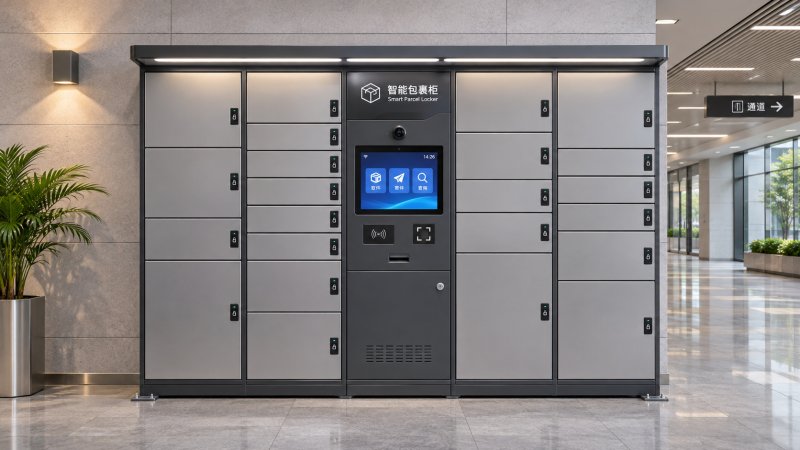
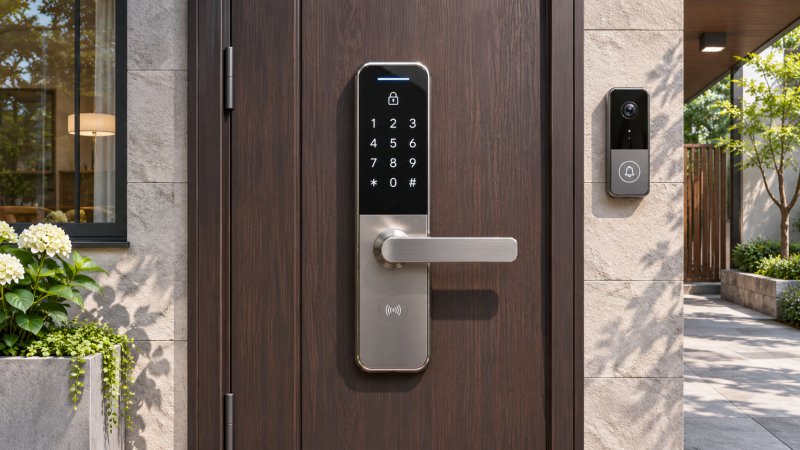
On June 16, 2026, Guotai Haitong Securities initiated coverage of Invengo (SZ002161), assigning an "Accumulate" rating and a target price of RMB 6.55. The coverage noted that the company’s RFID asset-lock technology is being scaled for use in overseas pet smart collars, cold-chain medicine cabinets and unattended storage lockers in cultural and tourism settings.
The disclosed information also states that the company has completed ISO 13485 certification for medical-device-grade RFID read-write modules. In addition, it has implemented 12 localized smart-lock deployment projects in Southeast Asia and the Middle East.
The summary further indicates that this development reflects a move by Chinese RFID asset-locker suppliers from pure hardware export toward overseas delivery of scenario-based solutions, with structural implications for how overseas distributors select products and organize channel cooperation.
Why channel and delivery rules may matter more now
Distributor selection may shift toward compliance-backed product screening
From an industry perspective, overseas distributors may be affected because product selection is no longer only about device cost or basic functionality when medical-adjacent, cold-chain or unattended-access scenarios are involved. What deserves closer attention is whether suppliers can present certification status, technical documentation and use-case alignment in a form that supports procurement review and downstream customer acceptance. The practical impact is likely to appear in product qualification, channel onboarding and bid-related document preparation.
Export suppliers may face higher expectations on localized execution
For export-oriented manufacturers and solution providers, the reported localized deployments suggest that overseas customers may increasingly expect support that extends beyond shipment of standard hardware. Analysis shows that attention may need to move toward deployment coordination, localization of technical materials, delivery interfaces and post-installation service arrangements. Even where no new formal regulation is cited in the input, execution standards in target markets may tighten through customer requirements, tender language or distributor screening criteria.
Certification and testing services may become more embedded in procurement cycles
Certification-related companies and testing service providers may also see a change in where they sit in the business process. Because the disclosed update specifically mentions ISO 13485, qualification evidence may become more relevant at an earlier stage of supplier comparison, especially where RFID modules are linked to medicine cabinet applications. The effect would likely be seen in document review, technical file preparation and pre-delivery compliance checks rather than in a simple end-of-line testing step.
After-sales and traceability functions may gain weight in channel cooperation
For service partners handling maintenance, replacement and field support, the move from hardware export to scenario-based solutions may change contract expectations. Observably, customers and distributors may place more weight on fault response, traceability records and responsibility boundaries across hardware, module performance and site deployment. This is not yet proof of a uniform market rule, but it is a relevant operational signal for businesses participating in overseas RFID lock deployments.
What companies should watch in current execution
Review how certification claims are presented in sales and tender materials
Companies involved in supply, distribution or procurement should pay close attention to how ISO 13485-related information is described in quotations, technical datasheets, bid documents and customer communications. The input confirms certification completion for medical-device-grade RFID read-write modules, but businesses still need to verify how that certification is interpreted in each application and transaction context.
Track whether customer requirements are moving from hardware specs to solution scope
What deserves closer attention is whether overseas buyers now request integrated delivery elements such as deployment support, scenario adaptation and local service capability alongside the physical product. If this trend continues, supplier qualification may increasingly depend on documentation sets, service commitments and implementation capability rather than on export shipment alone.
Prepare for closer scrutiny in cold-chain and unattended-access use cases
Analysis shows that applications such as cold-chain medicine cabinets and unattended lockers may attract greater review of operating records, technical consistency and product-use documentation during procurement or acceptance. Companies should therefore monitor whether buyers, distributors or project partners begin to ask for more detailed testing reports, technical files or quality-traceability materials.
Watch channel contracts and delivery responsibilities in localized projects
The reported 12 localized deployments indicate that project execution models are becoming an important part of market entry. Businesses should focus on whether distribution agreements, after-sales responsibilities, installation scope and delivery acceptance terms are being adjusted as overseas projects become more localized. The current information does not establish a single standard model, so contract practice remains an area to monitor.
Why this looks more like an execution signal than a standalone headline
Analysis shows that the value of this update lies less in the rating itself and more in the combination of certification, application scaling and localized deployment. It is more appropriate to understand this as an execution signal that market access conditions in RFID asset-locker business are becoming more layered: certification credibility, scenario fit and local delivery capability may now carry more weight together.
At the same time, this should not yet be read as a fully standardized regulatory shift across all markets or product categories. Observably, the current information points to direction and market behavior, but further verification is still needed through procurement documents, certification interpretation, channel feedback and implementation practice in overseas projects.
How the market may reasonably read this development
In practical terms, this update suggests that Chinese RFID asset-locker suppliers seeking overseas growth may increasingly be judged on a package of product, certification and deployment capability rather than on hardware export alone. For distributors and procurement teams, that could mean a more structured supplier-screening process. For exporters and service partners, it points to closer coordination between compliance materials, delivery planning and after-sales arrangements.
It is more appropriate to understand the development as a meaningful market signal with compliance and channel implications, rather than as a confirmed across-the-board rule change. The next stage worth watching is whether this pattern becomes visible in broader tender language, partner selection standards and project delivery requirements.
Basis of this article
This article is generated from the user-provided news title, event timing and event summary. The specific official source link was not provided in the input, so the underlying details still require continued verification.
For this type of development, commonly relevant source categories may include company disclosures, regulatory announcements, trade or customs information, industry association updates, standards documentation and reporting by authoritative media. Further observation is still needed regarding certification interpretation, procurement language, tender-document changes, channel feedback and actual execution by market participants.
Have questions about this sector analysis, or seeking best practices specific to your niche? Drop us a line below and let the senior consultants at MHLS assist you.
We respect your privacy. Your information is strictly confidential.
Recommended News
 Physical Security Infrastructure Cost: Budgeting for Installation and MaintenanceUnmanned Terminal FellowUnderstand physical security infrastructure cost and build a smarter budget for installation, maintenance, and long-term ownership.
 Financial Facility Security: Choosing Vault Doors for Bank BranchesVault Structural ArchitectStrengthen financial facility security with the right bank vault door. Explore certification, installation, locking controls and maintenance before you buy.
 MACO Acquires Majority Stake in Fingerprint Access Provider ekeyProf. Elara SterlingMACO acquires a majority stake in ekey, bringing fingerprint access and door hardware closer together. Discover what the deal could mean for smart buildings.
 Physical Security System Engineering: From Risk Assessment to System DesignUnmanned Terminal FellowExplore physical security system engineering, from risk assessment to integrated design, procurement and testing. Build a safer, more resilient facility.
 Apple Home Collection Smart Lock and Other Accessories Open for Preorder November 13Biometric Auth ScientistApple Home Collection preorders open November 13, 2026. Explore the LG smart lock’s Matter and Aliro support and what buyers should verify before ordering.
 Choosing Servo-Driven Flap Barriers: Throughput, Safety and Access ControlAccess Control StrategistServo-driven flap barriers can balance throughput, safety and access control. Discover how to compare lanes, test performance and choose with confidence.
 Parcel Locker Network Pricing: Setup Costs, Fees and Contract TermsUnmanned Terminal FellowCompare parcel locker networks pricing, from setup costs and recurring fees to contract terms. Discover hidden charges and choose the right model.
 JR East Plans UWB Walk-Through Gates at 40 Stations in Spring 2028Access Control StrategistJR East plans UWB walk-through gates at 40 stations in spring 2028. Explore the rollout timeline and what suppliers should watch.
 Bank Vault Security Standards: UL and EN Ratings ExplainedVault Structural ArchitectExplore bank vault security standards and learn how UL 608 classes and EN 1143-1 grades differ, what they test, and how to verify certification before you buy.
 Mechanical Lock Hardware Prices: What Buyers Should Budget for Bulk OrdersMr. Gideon CrossMechanical lock hardware price is just the starting point. Discover what drives bulk-order costs and how to compare supplier quotes with confidence.
 IndexBox Forecasts Steady Global Security Keypad Market Growth Through 2035Dr. Valerius ThorneGlobal security keypad market growth is forecast at 3.3% annually through 2035. Explore the smart home and replacement trends shaping demand.
 Choosing an Infrared Safety Sensors Manufacturer: What Buyers Should CheckUnmanned Terminal FellowChoosing an infrared safety sensors manufacturer? Compare safety evidence, integration, environmental performance and lifecycle costs before you buy.