Security System Integration Services: What Multi-Site Facility Projects Need to Specify
A multi-site security project can appear straightforward during procurement: specify cameras, access readers, intrusion panels, intercoms, and a central software platform, then repeat the design at each facility. The trouble often starts when the first remote site has a different network policy, an older fire alarm panel, a separate directory, or local rules about visitor handling. Devices may be installed and powered, yet operators cannot reliably see alarms, issue credentials, investigate events, or maintain the system without travelling to the site.
The practical answer is to specify the integration architecture before selecting individual devices. Security system integration services should be defined around required outcomes: which systems exchange data, which system is authoritative for each function, what must continue operating during a network outage, how operators respond to alarms, and how the completed installation will be tested. A multi-site project is not simply a larger single-building installation; it is a distributed operational system with different failure points, users, networks, and maintenance conditions.
Start with operating scenarios, not a device schedule
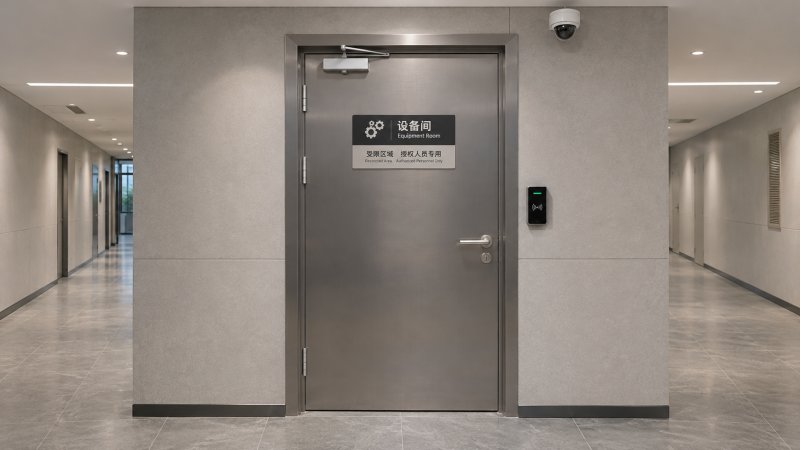
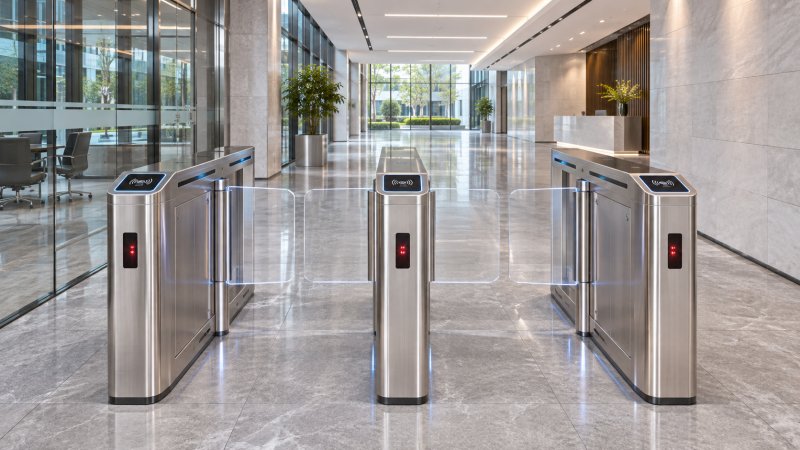
Before issuing equipment schedules, map the situations the system must support across the portfolio. This reveals integration requirements that are easy to miss in a drawing set. For example, a headquarters lobby may need visitor registration linked to temporary access cards, while a warehouse may need vehicle gates, staff turnstiles, loading-bay doors, and after-hours contractor access. A smaller branch may have only a few controlled doors but still need centralized alarm monitoring and credential revocation.
Document the expected workflow for events that affect security operations. The objective is not to create a lengthy narrative; it is to make system behavior testable. Useful scenarios include:
- An employee leaves the organization and their access must be removed from every relevant site.
- A forced door alarm occurs when the local security desk is unmanned.
- A fire or life-safety event requires doors to unlock, remain locked, or change state according to the approved local design.
- A camera alarm must open the correct live view and recorded video for an operator at another location.
- A network connection between a remote site and the central platform fails.
- A visitor credential expires, but the visitor remains inside a controlled area.
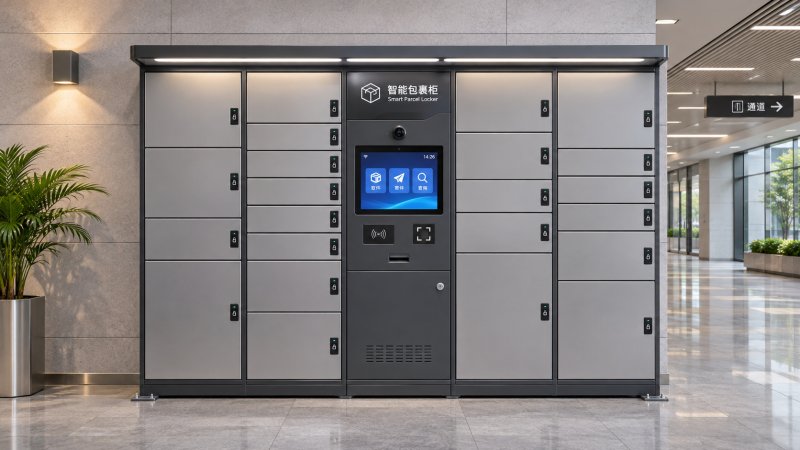
- A delivery driver uses an intercom or parcel locker outside normal staffed hours.
Each scenario should identify the trigger, the systems involved, the expected response, the responsible operator, the event record required, and the fallback behavior. Without this work, an integrator may provide technically connected equipment that does not support the actual response process.
Define a system-of-record for every shared data type
Multi-site projects frequently fail at the data boundary rather than the hardware boundary. A badge number can exist in an access control platform, a visitor system, a human resources directory, and a contractor database. Door names may differ between drawings, the access platform, video management software, and maintenance records. When several systems are allowed to edit the same information without rules, duplicate identities, stale permissions, and confusing event reports follow.
The specification should state which application is the authoritative source for each data category. This does not require one platform to own everything. It requires clear direction about where data begins, where it may be changed, and which systems receive a copy.
Require an agreed naming standard before configuration starts. A useful name identifies the site, building or zone, floor where relevant, opening or device type, and a unique sequence. The exact format matters less than consistent use. A video tile called “Rear Door” is not adequate when ten sites each have a rear door. The same identifier should appear on plans, controller configuration, camera records, alarm procedures, and handover documents.

Specify interoperability in terms of functions that must work
“Open protocol compatible” is not a complete integration requirement. Two products may support the same protocol but expose different functions, event fields, firmware versions, or licensing options. A reader may report a valid card event, for example, while the required integration also needs a cardholder name, access decision, door state, controller status, and time synchronization. Those details determine whether an operator can investigate an incident efficiently.
For each interface, specify the required direction of communication and the minimum exchanged information. A concise interface matrix is usually more useful than a general interoperability statement. It should identify the source system, receiving system, method of connection, expected event or command, required data fields, timing expectation, fault indication, and party responsible for configuration.
Typical interfaces that need explicit treatment
Access control and video: Specify whether a door event should call up live video, recorded video, both, or neither. Define the relevant camera views, pre-event and post-event recording expectations where supported, and whether operators can search video by credential, door, or alarm event. Do not assume a camera located near a door automatically provides a usable evidential view; camera placement, lighting, retention settings, and time accuracy still need design review.
Access control and identity systems: Clarify whether the connection is automatic synchronization, scheduled import, or operator-led provisioning. Also state what happens when a record is disabled, renamed, transferred between sites, or temporarily suspended. Automatic synchronization without approval rules can propagate incorrect permissions quickly.
Security and life-safety systems: The specification must distinguish operational signaling from life-safety control. Door release behavior, emergency overrides, and fire alarm interfaces must follow the approved local fire and building design. A security platform should not be treated as the final authority for a life-safety action unless the relevant design responsibility, interface method, and testing requirements are clearly established.
Intercom, visitor, gates, and lockers: Define who can remotely grant access, which verification step is required, how releases are logged, and what happens when the central connection is unavailable. A remote unlock command may be appropriate for a supervised reception workflow but unsuitable for an unattended high-risk entrance.
Design for local continuity when central connectivity is lost
Central management is valuable, but a remote site should not become unusable because a wide-area connection drops. Specify which functions must continue locally: access decisions, door schedules, alarm annunciation, video recording, intercom calling, and local emergency behavior. The answer will differ by site risk, but it should be intentional rather than a side effect of product selection.
For access control, confirm that controllers retain enough credential and schedule data to make authorized decisions during an outage. Define how long locally stored events must be retained before synchronization resumes, how conflicts are handled after reconnection, and whether manual enrollment is allowed at a disconnected site. For video, determine whether recording remains at the edge, centrally, or in both places; then ensure storage capacity and health monitoring match that design.
Network resilience needs equal attention. Security devices often share infrastructure with other building systems, yet they may have different availability and security requirements. The design should identify network ownership, segmentation requirements, IP addressing responsibility, bandwidth assumptions, switch port power budgets, firewall rules, remote support access, and the escalation path when connectivity fails. It should also define whether equipment may use cloud relay services, outbound connections, or vendor remote access tools. Those choices affect cybersecurity review, privacy controls, and future support.
Make credential strategy consistent without forcing every site into the same workflow
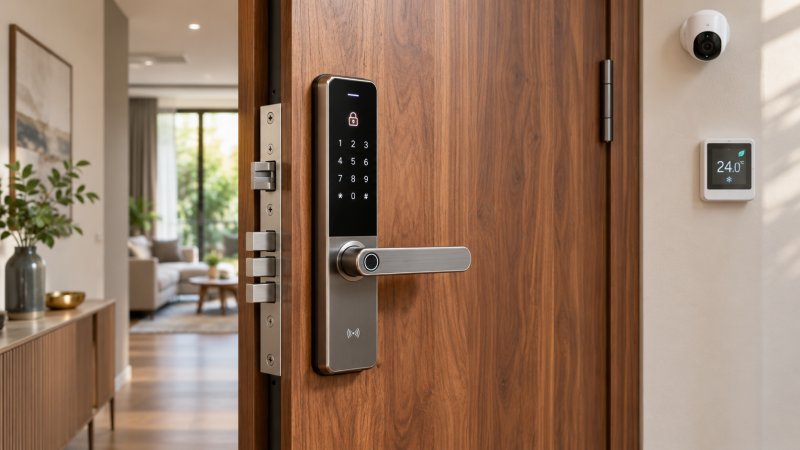
A portfolio can use one credential technology while applying different permissions and entry procedures at each location. That is usually easier to operate than mixing unrelated credential types without a migration plan. The specification should identify supported credentials, enrollment rules, mobile credential requirements where relevant, lost-card handling, visitor badges, contractor access, and the treatment of shared or temporary credentials.
Physical identity assurance should match the opening and risk. A low-risk internal door may only need a standard credential and audit trail. A server room, cash-handling area, pharmaceutical store, or restricted records room may require stronger identity verification, dual authorization, anti-passback logic, monitored door position, or biometric verification subject to applicable privacy and employment requirements. Avoid specifying biometrics simply because they are available. Define the threat or control objective first, then assess whether biometric capture, liveness detection, enrollment quality, user consent, retention rules, and fallback access can be managed appropriately.
Time schedules need similar discipline. A centrally defined group may be valid at multiple facilities, but local holidays, shift patterns, lease boundaries, and emergency procedures can vary. Require a method for local schedule exceptions that does not overwrite the portfolio baseline.
Build cybersecurity and maintenance into the procurement scope
Security hardware is part of the operational technology environment, not an isolated set of locks and cameras. Procurement documents should request a supported firmware policy, secure credential handling, account roles, audit logs, encrypted communications where supported, password or certificate management, vulnerability notification arrangements, and a defined process for remote maintenance. The requirement should apply to controllers, cameras, intercoms, network video recorders, visitor terminals, gate controllers, locker systems, and management servers.
Ask the integrator to identify every account required for installation, commissioning, administration, and support. Default credentials must not remain in place. Administrative access should be assigned to named roles, and the handover package should state who owns credentials, licenses, configuration backups, encryption keys where applicable, and recovery procedures. A site can be physically secure but operationally exposed when no one can access the management console after the installer leaves.
Maintenance requirements should also distinguish between device repair and system health. A reader can appear functional while its controller has stopped reporting to the central platform. A camera can show live video while recording has failed. Specify routine checks for communications, storage, battery condition, door contacts, alarm supervision, firmware status, event synchronization, and configuration backup. Define which alerts go to the site, central security team, IT team, or maintenance provider.
Commission by proving workflows, not merely checking devices
A device-by-device checklist is necessary, but it does not prove integration. Commissioning should include end-to-end tests based on the operating scenarios agreed at the start. The test records should show the initiating event, device response, central platform response, operator notification, associated video or audit record, restoration state, and any fault message generated.
Use staged acceptance. First verify each field device and panel. Then test each interface. Finally, test realistic multi-system workflows, including degraded conditions. A forced door event, for example, should be tested with the normal network available and, where relevant, with the remote connection interrupted. The purpose is to verify not only that an alarm occurs, but also where it appears, who receives it, what information is available, and whether the site remains safe and operable.
Require the handover deliverables before final acceptance: current drawings, device lists, network details, interface matrix, controller configurations, software versions, license records, test evidence, alarm response procedures, backup files, training records, and an asset register. These documents should reflect the installed system, not an earlier tender design. They are essential when a new site is added, a tenant changes, an incident is reviewed, or an integrator is replaced.
Questions to settle before awarding the integration package
- Which functions must be managed centrally, and which must continue at each site without a central connection?
- What exact events, commands, and data fields must pass between access control, video, alarms, visitor management, and other systems?
- Who owns the network design, firewall approvals, cybersecurity configuration, and ongoing patch coordination?
- Which system is authoritative for identities, access rights, device names, and alarm records?
- How will fire, emergency egress, lockdown, and other life-safety-related behaviors be approved and tested?
- What evidence must the installer provide to demonstrate that integrated workflows work at every representative site type?
- Who receives the final administrator access, configuration backups, licenses, and maintenance responsibilities?
When these points are written into the specification, security system integration services become measurable engineering work rather than a vague promise that separate products will “work together.” That gives the project team a stronger basis for comparing bids, managing changes between sites, testing the delivered system, and operating the portfolio after construction activity has ended.
Have questions about this sector analysis, or seeking best practices specific to your niche? Drop us a line below and let the senior consultants at MHLS assist you.
We respect your privacy. Your information is strictly confidential.
Recommended News
 Physical Security System Engineering: From Risk Assessment to System DesignUnmanned Terminal FellowExplore physical security system engineering, from risk assessment to integrated design, procurement and testing. Build a safer, more resilient facility.
 Apple Home Collection Smart Lock and Other Accessories Open for Preorder November 13Biometric Auth ScientistApple Home Collection preorders open November 13, 2026. Explore the LG smart lock’s Matter and Aliro support and what buyers should verify before ordering.
 Choosing Servo-Driven Flap Barriers: Throughput, Safety and Access ControlAccess Control StrategistServo-driven flap barriers can balance throughput, safety and access control. Discover how to compare lanes, test performance and choose with confidence.
 Parcel Locker Network Pricing: Setup Costs, Fees and Contract TermsUnmanned Terminal FellowCompare parcel locker networks pricing, from setup costs and recurring fees to contract terms. Discover hidden charges and choose the right model.
 JR East Plans UWB Walk-Through Gates at 40 Stations in Spring 2028Access Control StrategistJR East plans UWB walk-through gates at 40 stations in spring 2028. Explore the rollout timeline and what suppliers should watch.
 Bank Vault Security Standards: UL and EN Ratings ExplainedVault Structural ArchitectExplore bank vault security standards and learn how UL 608 classes and EN 1143-1 grades differ, what they test, and how to verify certification before you buy.
 Mechanical Lock Hardware Prices: What Buyers Should Budget for Bulk OrdersMr. Gideon CrossMechanical lock hardware price is just the starting point. Discover what drives bulk-order costs and how to compare supplier quotes with confidence.
 IndexBox Forecasts Steady Global Security Keypad Market Growth Through 2035Dr. Valerius ThorneGlobal security keypad market growth is forecast at 3.3% annually through 2035. Explore the smart home and replacement trends shaping demand.
 Choosing an Infrared Safety Sensors Manufacturer: What Buyers Should CheckUnmanned Terminal FellowChoosing an infrared safety sensors manufacturer? Compare safety evidence, integration, environmental performance and lifecycle costs before you buy.
 Choosing a Security Material Testing Service: What to Check for Lock and Safe MaterialsProf. Elara SterlingChoose a security material testing service with confidence. Learn what to check for lock and safe materials, from attack methods and accreditation to reliable reports.
 How Precision Anti-Pick Lock Cylinders Resist ManipulationSecurity Metallurgy ExpertDiscover how precision anti-pick lock technology resists manipulation, and learn what to check when comparing security features, test evidence, and everyday reliability.
 Dermalog Joins NIST FastCAP Program for Contactless Fingerprint TestingProf. Elara SterlingDermalog joins the NIST FastCAP program for contactless fingerprint testing. Discover what this means for biometric identification and digital identity.