
Smart Refrigerated Locker Launch Signals Lower-Volume B2B Demand
The timing of the underlying event is not explicitly stated in the available information, but the update centers on MAXTEEL of Luoyang, China, which on January 17, 2026 introduced a 24-hour self-service smart refrigerated locker, model MX-SL-004. For fresh e-commerce operators, pharmacy chains, cold-chain startups, and related supply chain service providers, the release is worth watching because it combines a relatively low MOQ, a defined unit price, multi-temperature customization, and interface documentation for third-party platform connection in one product announcement.
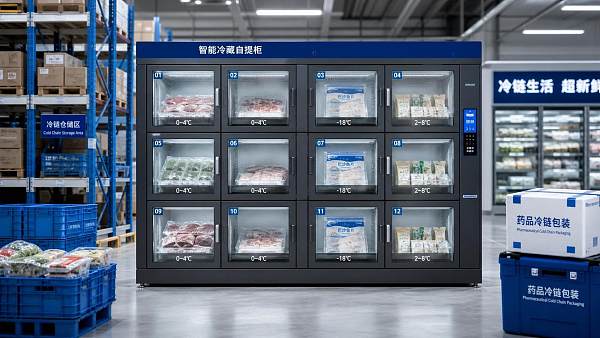
What the product announcement confirms
According to the provided information, MAXTEEL launched the MX-SL-004 as a 24-hour self-service smart refrigerated locker. The model supports a 12-compartment configuration, electronic password locks, SMS pickup, pry-resistant alarm functions, and multi-temperature-zone customization.
The announced commercial threshold is a MOQ of 20 units, with a listed unit price of US$790. The product has also passed CE EN 13445 pressure vessel safety pre-assessment and IEC 60335-2-89 safety testing for refrigeration electrical appliances.
The supporting materials mentioned in the release include a WebService interface and third-party platform integration documentation. The summary further states that the offer sends a clear signal toward lightweight procurement demand from European fresh food e-commerce, Middle Eastern pharmacy chains, and Southeast Asian cold-chain startups.
Why different parts of the chain may pay attention
Procurement teams may reassess entry thresholds
From an industry perspective, buyers with smaller deployment plans may be the first group to take notice. The combination of a 20-unit MOQ and a visible unit price can affect early-stage sourcing discussions, especially where companies are testing self-service refrigerated delivery, pickup, or dispensing scenarios before wider rollout.
The main business impact may appear in budgeting, pilot-site planning, and supplier comparison. What deserves closer attention is whether low-volume procurement can reduce the time needed to move from evaluation to trial deployment.
Platform and service partners may focus on integration readiness
For software providers, locker operators, and systems integrators, the inclusion of a WebService interface and third-party docking documentation matters because it points to deployment beyond standalone hardware. In practical terms, attention may shift to order flow connection, pickup notification logic, and interface compatibility with existing retail, pharmacy, or delivery systems.
Analysis shows that integration preparedness can be as relevant as hardware pricing in this type of procurement decision, particularly for operators that need lockers to work inside broader service workflows rather than as isolated devices.
Channel and regional distributors may watch market-fit signals
Distributors and cross-border channel partners may see this as a targeted signal rather than a broad-market claim. The referenced demand profile—European fresh e-commerce, Middle Eastern pharmacy chains, and Southeast Asian cold-chain startups—suggests attention on buyers that need refrigerated self-service infrastructure without large initial commitments.
The potential effect is likely to show up in lead qualification, documentation review, and localized project screening. Observably, the key question is not only whether demand exists, but whether the product configuration and compliance materials align with the requirements of each target market.
What companies should monitor next
Check the difference between testing references and market acceptance
Companies evaluating similar equipment should pay close attention to how the cited CE EN 13445 pre-assessment and IEC 60335-2-89 testing are presented in formal sales and compliance documentation. Analysis shows that test-related statements can support procurement screening, but actual project acceptance may still depend on the specific documentation requested by customers, distributors, or local authorities.
Review interface materials before commercial rollout
For businesses that expect system connectivity, the practical issue is whether the provided WebService interface and third-party integration documents are sufficient for real deployment. What deserves closer attention is the level of detail available for system matching, message flow, and operational coordination during onboarding.
Evaluate whether low-MOQ purchasing matches delivery plans
A low MOQ can support trial procurement, but companies still need to align purchase quantity with site readiness, installation planning, and after-sales coordination. From an industry perspective, the benefit of a lighter initial order depends on whether the buyer already has a clear deployment path.
Focus on market-specific use scenarios
The named demand directions point to different operational settings: fresh e-commerce, pharmacy chains, and startup cold-chain applications. Companies should therefore distinguish between product interest and actual use-case fit, especially where temperature zoning, pickup methods, and security functions are tied to different service models.
How this signal is best understood at this stage
Analysis shows that this update is more meaningful as a market-access and procurement-threshold signal than as proof of large-scale adoption. The combination of low MOQ, listed pricing, customization options, and interface support suggests an effort to make refrigerated smart locker deployment easier to test in selected overseas markets.
At the same time, it is more appropriate to understand this as an early commercial indicator rather than a confirmed market outcome. The information provided does not establish shipment volume, signed project scale, or long-term operating performance, so continued observation remains necessary.
What the update means for the sector now
At this point, the announcement is best read as a practical signal that smaller-batch, integration-ready refrigerated locker sourcing is receiving clearer supplier-side support. For buyers and service partners, the relevance lies in procurement flexibility, compliance-related materials, and deployment readiness rather than in any proven market conclusion.
A neutral reading is that the development may influence how pilot projects and lightweight cross-border sourcing are evaluated, but it does not by itself confirm broader demand conversion. Continued attention should remain on documentation quality, implementation capability, and whether target-market interest translates into actual projects.
Basis of this article
This article is generated from the user-provided news title, event timing note, and event summary. The specific official source link was not provided in the input, so the underlying details still require ongoing verification.
For this type of update, commonly relevant source categories may include company announcements, official product releases, industry association updates, authoritative media reporting, and standard-related documents. If follow-up coverage becomes available, the next areas to monitor are formal compliance documentation, integration material details, and whether the product gains confirmed traction in the cited regional demand segments.
Have questions about this sector analysis, or seeking best practices specific to your niche? Drop us a line below and let the senior consultants at MHLS assist you.
We respect your privacy. Your information is strictly confidential.
Recommended News
 Financial Facility Security: Choosing Vault Doors for Bank BranchesVault Structural ArchitectStrengthen financial facility security with the right bank vault door. Explore certification, installation, locking controls and maintenance before you buy.
 MACO Acquires Majority Stake in Fingerprint Access Provider ekeyProf. Elara SterlingMACO acquires a majority stake in ekey, bringing fingerprint access and door hardware closer together. Discover what the deal could mean for smart buildings.
 Physical Security System Engineering: From Risk Assessment to System DesignUnmanned Terminal FellowExplore physical security system engineering, from risk assessment to integrated design, procurement and testing. Build a safer, more resilient facility.
 Apple Home Collection Smart Lock and Other Accessories Open for Preorder November 13Biometric Auth ScientistApple Home Collection preorders open November 13, 2026. Explore the LG smart lock’s Matter and Aliro support and what buyers should verify before ordering.
 Choosing Servo-Driven Flap Barriers: Throughput, Safety and Access ControlAccess Control StrategistServo-driven flap barriers can balance throughput, safety and access control. Discover how to compare lanes, test performance and choose with confidence.
 Parcel Locker Network Pricing: Setup Costs, Fees and Contract TermsUnmanned Terminal FellowCompare parcel locker networks pricing, from setup costs and recurring fees to contract terms. Discover hidden charges and choose the right model.
 JR East Plans UWB Walk-Through Gates at 40 Stations in Spring 2028Access Control StrategistJR East plans UWB walk-through gates at 40 stations in spring 2028. Explore the rollout timeline and what suppliers should watch.
 Bank Vault Security Standards: UL and EN Ratings ExplainedVault Structural ArchitectExplore bank vault security standards and learn how UL 608 classes and EN 1143-1 grades differ, what they test, and how to verify certification before you buy.
 Mechanical Lock Hardware Prices: What Buyers Should Budget for Bulk OrdersMr. Gideon CrossMechanical lock hardware price is just the starting point. Discover what drives bulk-order costs and how to compare supplier quotes with confidence.
 IndexBox Forecasts Steady Global Security Keypad Market Growth Through 2035Dr. Valerius ThorneGlobal security keypad market growth is forecast at 3.3% annually through 2035. Explore the smart home and replacement trends shaping demand.
 Choosing an Infrared Safety Sensors Manufacturer: What Buyers Should CheckUnmanned Terminal FellowChoosing an infrared safety sensors manufacturer? Compare safety evidence, integration, environmental performance and lifecycle costs before you buy.
 Choosing a Security Material Testing Service: What to Check for Lock and Safe MaterialsProf. Elara SterlingChoose a security material testing service with confidence. Learn what to check for lock and safe materials, from attack methods and accreditation to reliable reports.











