
UL Expands UL 2900-2-2 to Outdoor Smart Parcel Lockers
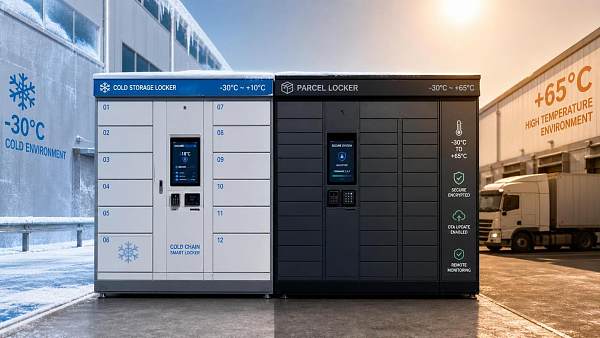
On July 2, 2026, UL Solutions issued a technical notice expanding the scope of UL 2900-2-2 to include Refrigerated Smart Lockers and Outdoor Smart Parcel Lockers. The update puts cybersecurity verification for logistics terminals into a more demanding operating context, requiring core protections to remain effective under temperatures from -30°C to +65°C. For exporters targeting the U.S. and Canadian markets, as well as manufacturers, integrators, and supply chain service providers tied to cold-chain and outdoor parcel equipment, this is worth close attention because it affects certification planning from the point of product design through market entry.
What UL Solutions Confirmed on July 2
According to the information provided, UL Solutions extended the applicable scope of UL 2900-2-2 on July 2, 2026 to cover two product categories: Refrigerated Smart Lockers and Outdoor Smart Parcel Lockers. The notice makes clear that these devices are expected to maintain firmware integrity, secure encrypted channels for remote OTA updates, and resistance to physical side-channel attacks while operating in environments ranging from -30°C to +65°C.
The new requirement took effect immediately. The stated impact is on export certification strategies for cold-chain and outdoor logistics terminal equipment intended for the U.S. and Canadian markets.
Where the Impact May Appear First
Export-facing device manufacturers may need to reassess certification timing
From an industry perspective, manufacturers of refrigerated and outdoor smart locker systems may be affected first because certification is directly tied to market access planning. The immediate point of attention is not only the product category now covered, but also whether cybersecurity validation can still be demonstrated under extreme temperature conditions.
System integrators and solution providers may face tighter coordination needs
Analysis shows that businesses combining hardware, firmware, connectivity, and remote management functions may need closer alignment across technical and certification workstreams. The notice specifically highlights firmware integrity and encrypted OTA channels, which means integration decisions around update mechanisms and device security architecture could become a practical review point.
Supply chain and delivery-side service providers may see schedule pressure
Observably, service providers involved in export preparation, deployment, and customer delivery may need to watch lead times more carefully. Since the rule is already in effect, projects aimed at the U.S. and Canadian markets could be influenced by how quickly compliance evidence can be prepared and communicated.
Buyers and downstream operators may pay more attention to verification scope
For procurement teams and end operators, the change may matter less as a standards update in isolation and more as a purchasing and acceptance issue. What deserves closer attention is whether supplied equipment intended for cold-chain or outdoor use is positioned to meet the expanded cybersecurity scope under the specified environmental conditions.
What Companies Should Watch Now
Check whether target products now fall within the expanded scope
The first practical issue is product mapping. Companies serving the U.S. and Canadian markets should review whether their refrigerated smart lockers or outdoor parcel lockers now clearly sit within the updated UL 2900-2-2 scope, because that affects certification strategy immediately.
Separate temperature durability from cybersecurity evidence
Analysis shows that a key operational point is the relationship between environmental operation and cybersecurity performance. The notice does not simply point to outdoor or refrigerated deployment as a label; it explicitly ties cybersecurity capabilities to operation from -30°C to +65°C. Companies should therefore pay attention to how security evidence is prepared for those conditions, rather than treating temperature performance and cybersecurity as separate discussions.
Review OTA and firmware-related documentation early
Because the notice specifically references firmware integrity and encrypted remote OTA channels, relevant teams should examine whether technical files, supplier materials, and customer-facing compliance documentation are aligned with those requirements. This is especially relevant for projects already in quotation, production, or export preparation stages.
Prepare for customer and certification communication needs
What deserves closer attention is the gap between a policy signal and actual business execution. Since the rule is effective immediately, companies may need clearer communication with certification counterparts, channel partners, and customers regarding applicability, documentation status, and possible delivery implications.
Why This Looks Like More Than a Narrow Scope Update
Observably, this development is not just about adding two locker categories by name. It points to a stricter expectation that cybersecurity controls for logistics terminals should remain credible in demanding real-world operating environments, including refrigerated and outdoor deployment. That said, it is more appropriate to understand this as a confirmed compliance change with broader signaling value, rather than as proof of wider market outcomes that have already materialized.
Analysis shows that the immediate consequence is clearest in certification strategy, while the longer-term significance lies in how product security validation may be interpreted for connected physical infrastructure. Further developments still need to be watched through subsequent official wording, implementation practices, and how market participants respond in actual export workflows.
How the Market May Best Read This Update
At this stage, the most balanced reading is that UL Solutions has made a concrete and immediate adjustment to the certification landscape for certain logistics terminal products entering the U.S. and Canadian markets. For affected companies, this should be treated first as an execution issue around scope, evidence, and timelines. From a broader industry perspective, it also serves as a signal that cybersecurity claims for smart logistics equipment may increasingly be judged within the environmental conditions in which those systems are expected to operate.
Basis of This Article
This article is based on the user-provided news title, event date, and event summary. The discussion above references the type of materials that are commonly relevant to this kind of update, such as official notices, company announcements, industry association information, authoritative media reporting, and standards-related documents.
A specific official source link was not provided in the input, so continued verification remains necessary. Areas that still warrant follow-up include any subsequent official clarification, implementation details in certification practice, and whether additional scope interpretation affects related export and delivery workflows.
Have questions about this sector analysis, or seeking best practices specific to your niche? Drop us a line below and let the senior consultants at MHLS assist you.
We respect your privacy. Your information is strictly confidential.
Recommended News
 Parcel Locker Network Pricing: Setup Costs, Fees and Contract TermsUnmanned Terminal FellowCompare parcel locker networks pricing, from setup costs and recurring fees to contract terms. Discover hidden charges and choose the right model.
 JR East Plans UWB Walk-Through Gates at 40 Stations in Spring 2028Access Control StrategistJR East plans UWB walk-through gates at 40 stations in spring 2028. Explore the rollout timeline and what suppliers should watch.
 Bank Vault Security Standards: UL and EN Ratings ExplainedVault Structural ArchitectExplore bank vault security standards and learn how UL 608 classes and EN 1143-1 grades differ, what they test, and how to verify certification before you buy.
 Mechanical Lock Hardware Prices: What Buyers Should Budget for Bulk OrdersMr. Gideon CrossMechanical lock hardware price is just the starting point. Discover what drives bulk-order costs and how to compare supplier quotes with confidence.
 IndexBox Forecasts Steady Global Security Keypad Market Growth Through 2035Dr. Valerius ThorneGlobal security keypad market growth is forecast at 3.3% annually through 2035. Explore the smart home and replacement trends shaping demand.
 Choosing an Infrared Safety Sensors Manufacturer: What Buyers Should CheckUnmanned Terminal FellowChoosing an infrared safety sensors manufacturer? Compare safety evidence, integration, environmental performance and lifecycle costs before you buy.
 Choosing a Security Material Testing Service: What to Check for Lock and Safe MaterialsProf. Elara SterlingChoose a security material testing service with confidence. Learn what to check for lock and safe materials, from attack methods and accreditation to reliable reports.
 How Precision Anti-Pick Lock Cylinders Resist ManipulationSecurity Metallurgy ExpertDiscover how precision anti-pick lock technology resists manipulation, and learn what to check when comparing security features, test evidence, and everyday reliability.
 Dermalog Joins NIST FastCAP Program for Contactless Fingerprint TestingProf. Elara SterlingDermalog joins the NIST FastCAP program for contactless fingerprint testing. Discover what this means for biometric identification and digital identity.
 Choosing Security Export Compliance Services: What Providers Should CoverMr. Gideon CrossSecurity export compliance services can help prevent costly delays. Discover what to look for in classification, licensing, screening, and documentation.
 European Security Compliance Standards for Safes: EN 1143-1 vs EN 14450Dr. Valerius ThorneExplore security compliance standards Europe buyers need to know. Compare EN 1143-1 and EN 14450 to choose the right safe with confidence.
 HID Global Acquires inepro ID to Expand RFID and BLE Access SolutionsUnmanned Terminal FellowHID Global acquires inepro ID to expand RFID and BLE access solutions for printers, smart lockers and shared devices. Explore what the deal could mean for your organization.











