UL Expands Testing for 3D Facial Smart Locks
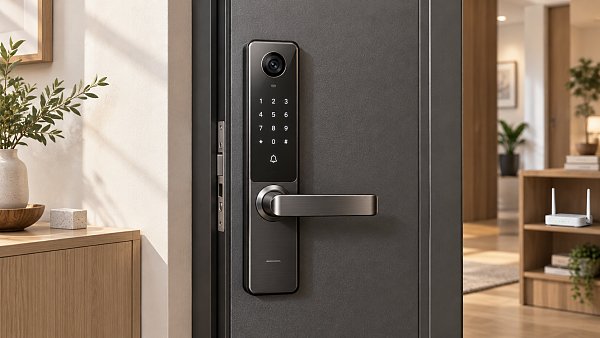
UL Solutions has moved to tighten testing requirements for 3D facial recognition smart locks sold into North America, with mandatory enforcement starting on October 1, 2026. The update centers on a new liveness detection stress test against infrared projection attacks, which puts immediate focus on export certification, product design, and cost planning for manufacturers, especially Chinese suppliers serving the North American market.
What the Addendum Changes
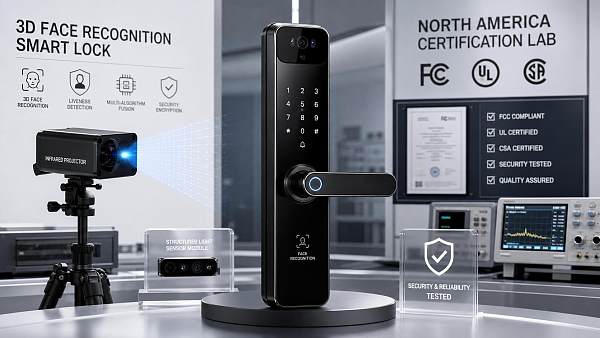
According to the provided event information, UL Solutions issued Addendum A to UL 2061-2026 on July 6, 2026. The addendum requires all 3D structured-light facial recognition smart locks intended for the North American market to pass a new infrared projection attack stress test. The requirement is described as equivalent to IEC 62443-3-3 Level 2 and becomes mandatory on October 1, 2026.
The confirmed information also indicates that this change raises the anti-spoofing threshold for biometric authentication and is expected to affect export certification timelines and BOM cost structures for Chinese manufacturers.
Where the Pressure Will Be Felt First
Export-facing smart lock manufacturers
From an industry perspective, manufacturers shipping 3D facial smart locks to North America are likely to feel the impact most directly because the new requirement sits at the certification gate. The main effect is likely to appear in product validation, certification scheduling, and launch timing. What deserves closer attention is whether current product versions can meet the new test item without redesign or added verification work.
Component selection and product definition teams
Analysis shows that the update may also influence teams responsible for hardware configuration and product definition. Because the confirmed information points to BOM cost implications, the practical focus is likely to fall on sensor-related choices, liveness detection implementation, and the cost balance between compliance and target pricing. For these teams, the key issue is not only whether a product can pass testing, but how that affects the overall commercial structure of the device.
Certification, compliance, and supply chain coordination
Observably, compliance teams and supply chain coordinators may also face tighter timelines. If the testing threshold rises, the impact may extend into sample preparation, document readiness, certification sequencing, and delivery commitments tied to North American customers. The point to watch is how this mandatory date interacts with existing shipment plans and customer acceptance milestones.
What Companies Should Track Now
Watch for any further official clarification
What deserves closer attention is whether UL Solutions issues any additional wording, interpretation, or implementation detail around the addendum before the October 1, 2026 enforcement date. For affected companies, the distinction between a published requirement and its operational interpretation can shape certification planning and internal testing priorities.
Review exposed product lines and market allocation
Analysis shows that companies with 3D structured-light facial recognition smart locks aimed at North America should first identify which models fall directly under the new requirement. This is a practical screening step for deciding whether to prioritize recertification, redesign, phased market allocation, or adjustments to launch schedules.
Recheck certification and delivery timelines
Because the confirmed information points to possible certification cycle pressure, businesses should focus on how testing capacity, documentation readiness, and customer delivery commitments line up against the mandatory enforcement date. This is especially relevant for exporters that are already managing fixed shipping windows or model transition plans.
Prepare for cost and customer communication issues
Observably, the mention of BOM cost impact means procurement, sales, and account teams may need to prepare for price discussions and specification explanations. The immediate issue is not to assume a uniform cost outcome, but to be ready for compliance-driven changes that may affect quoting, supply arrangements, and customer expectations.
How This Update Should Be Read
Analysis shows that this is more than a routine testing revision, because it directly targets spoof-resistance in facial recognition access control. At the same time, it is more appropriate to understand this as a concrete compliance signal rather than a fully settled market outcome. The rule itself is clear in the provided information, but the scale of its commercial effect will still depend on how manufacturers, testing schedules, and customer programs adjust in practice.
From an industry perspective, the update is also a longer-term signal that biometric convenience features in smart locks are being judged more closely through the lens of attack resilience. That does not by itself confirm broader regulatory convergence, but it does suggest that anti-spoofing performance is becoming harder to treat as a secondary specification.
A Clear Rule Change, With Broader Implications Still Emerging
At this stage, the most grounded conclusion is that UL has introduced a defined new compliance requirement for 3D facial smart locks entering the North American market, and the enforcement date leaves limited room for delay. For the industry, this is best understood as an immediate operational change with broader strategic implications still developing, particularly around certification timing, product configuration, and cost structure.
Basis of This Article
This article is based on the user-provided news title, event date, and event summary. The discussion references the types of materials typically relevant to this kind of development, such as official notices, company announcements, industry association updates, authoritative media reporting, and standards-related documents.
A specific official source link was not provided in the input, so that point still requires ongoing verification. Areas that merit continued tracking include any further official clarification on implementation, the practical interpretation of the new test requirement, and how affected exporters adjust certification and delivery planning ahead of October 1, 2026.
Recommended News
 Macao Consumer Council Publishes Smart Lock Test Report, Urges Data ProtectionBiometric Auth ScientistMacao Consumer Council’s smart lock test report helps buyers make informed choices. Explore the findings and practical data protection tips for safer smart home use.
 Anti-Drill Lock Cylinders: How Hardened Inserts Resist Drilling AttacksSecurity Metallurgy ExpertExplore anti-drill lock technology for cylinders: discover how hardened inserts, secure placement, and verified testing help you choose reliable protection. Read the guide.
 What Is Physical Security Infrastructure? Core Systems for Commercial BuildingsUnmanned Terminal FellowExplore physical security infrastructure for commercial buildings, from locks and access control to cameras and alarms. Learn how to spot gaps and prioritize smarter upgrades.
 What Is Physical Security Infrastructure? Core Systems for Commercial BuildingsUnmanned Terminal FellowExplore physical security infrastructure for commercial buildings, from locks and access control to cameras and alarms. Learn how to spot gaps and prioritize smarter upgrades.
 What Is Physical Security Infrastructure? Core Systems for Commercial BuildingsUnmanned Terminal FellowExplore physical security infrastructure for commercial buildings, from locks and access control to cameras and alarms. Learn how to spot gaps and prioritize smarter upgrades.
 September Smart Lock Sales Fall; Xiaomi Leads Volume, Desman Revenue Under PressureBiometric Auth ScientistChina smart lock sales fell in September 2026, with Xiaomi leading volume and Desman revenue under pressure. Explore key market figures and insights for smarter pricing and procurement.
 EN 1143-1 Burglary Resistance Grades: What the Ratings Mean for SafesDr. Valerius ThorneEN 1143-1 burglary resistance grades explained: compare safe ratings, verify certification, and understand installation requirements to choose the right protection. Read before you buy.
 Sourcing Security Hardware from China: Supplier Checks to Reduce Supply Chain RiskMr. Gideon CrossNavigate the security hardware supply chain China offers with practical supplier checks. Learn to verify compliance, control substitutions, and reduce costly sourcing risks before you buy.
 Biometric Lock Reliability Testing: False Rejects, Wear, and WeatherProf. Elara SterlingExplore biometric lock reliability testing for false rejects, wear, and weather. Learn which metrics and test evidence help you compare suppliers and choose dependable, secure access.
 Certification Suspended for Six Zhenyuan Fire Door ProductsDr. Valerius ThorneSix Zhenyuan fire door products face certification suspension. Discover what buyers should verify and why certification status matters before making procurement decisions.
 How Should Parcel Lockers Handle Offline Access and Post-Outage Data Sync?Unmanned Terminal FellowWhat should happen when a parcel locker loses network connection? Discover secure offline access, reliable event logging, and post-outage sync strategies to protect parcels and prevent conflicts.
 SnapSafe Launches Premium Vault Door With 12-Gauge Steel and UL-Certified LockVault Structural ArchitectExplore the SnapSafe Premium vault door with 12-gauge steel, nine locking bolts and a UL-certified electronic lock. See how its inward-opening design fits your safe room.