EN 1627:2026 Rule Reshapes EU Access Security Compliance
On August 1, 2026, the revised EN 1627:2026 standard for burglar-resistant doors and shutter doors became mandatory for products entering the EU compliance framework, with the Official Journal of the European Union publishing the update on August 7, 2026. For manufacturers, exporters, testing partners, and buyers involved in anti-tailgating revolving doors, facial recognition turnstiles, and 3D facial smart locks, the immediate issue is no longer only product design but whether existing CE compliance files now cover the newly required impact-load and liveness verification items.

What the revised standard now requires
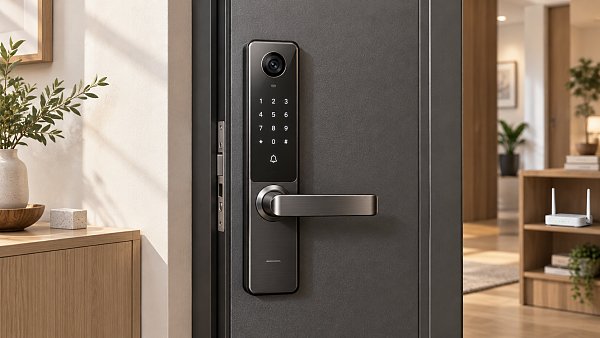
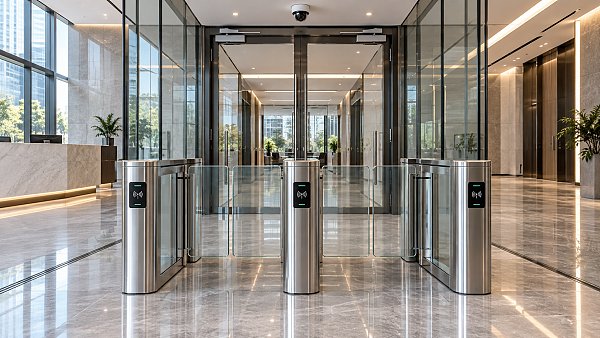
According to the information provided, the revised EN 1627:2026 titled Burglar-resistant doors and shutter doors—Requirements and test methods was published in revised form in the OJEU on August 7, 2026, and has been mandatory since August 1, 2026. The update newly adds two required items to CE compliance testing: dynamic impact load simulation at no less than 15 kN/s, and resistance of 3D facial recognition systems to photo, video, and mask attacks, which must pass ISO/IEC 30107-3 Level 3 liveness detection. The affected product scope identified in the input includes Anti-tailgating Revolving Doors, Facial Recognition Turnstiles, and 3D Facial Smart Locks intended for the EU market. Products that do not obtain updated type-test reports cannot bear the CE mark.
Where the pressure is likely to appear first
Export-facing product vendors face an immediate access issue
From an industry perspective, the most direct impact falls on companies shipping covered products into the EU. Their exposure is tied to market access: if updated type-test documentation is missing, CE marking cannot proceed. In practical terms, the business pressure is likely to center on product eligibility for shipment, contract execution, and alignment between current model configurations and revised testing requirements.
Manufacturing and engineering teams may need to revisit validation paths
Analysis shows that manufacturers of physical access control products will need to pay close attention to two different verification dimensions at the same time: structural resistance under dynamic impact conditions and spoof-resistance performance in 3D facial recognition. Even where a product was previously compliant, the new mandatory items may change the test path, the evidence package, and the internal coordination required between mechanical design and biometric system functions.
Procurement and channel partners need to verify documentation status
Distributors, importers, project buyers, and channel partners are also likely to be affected because the issue extends beyond technical compliance and into document readiness. What deserves closer attention is whether the products already listed, quoted, or scheduled for delivery into the EU have updated type-test reports that reflect the revised EN 1627:2026 requirements. For these roles, the key business point is document verification before purchase, import arrangement, or project acceptance.
Testing and compliance service links become more critical
Observably, the update also raises the importance of laboratories, certification support teams, and compliance service providers involved in CE preparation. Their role is likely to become more central in confirming whether product files, test scopes, and conformity evidence match the new mandatory items, especially for products combining physical security hardware with facial recognition functions.
What companies should be checking now
Whether current CE files match the revised test scope
The first practical checkpoint is whether existing CE technical documentation and type-test reports already reflect the newly added dynamic impact load simulation and 3D facial liveness attack-resistance requirements. A prior report that does not cover the revised mandatory items may no longer support CE marking for the affected products.
Which product lines are exposed to the new biometric requirement
Companies should separate product lines that involve 3D facial recognition from those that do not, because the liveness detection requirement is specifically tied to the anti-photo, anti-video, and anti-mask attack capability of 3D facial recognition systems. This distinction matters for scoping re-testing needs, supplier coordination, and customer communication.
How delivery commitments line up with updated type-test timing
Analysis shows that the rule change should not be treated only as a standards matter; it also affects order execution. Firms serving the EU market should compare delivery schedules, shipment plans, and customer acceptance milestones against the availability of updated type-test reports, since products without those reports cannot carry the CE mark.
How to communicate the difference between standard publication and business readiness
What deserves closer attention is the gap between a rule being mandatory and a company being operationally ready for it. For sales teams, compliance managers, and project coordinators, this means explaining clearly to customers and partners which models already have updated evidence, which are under review, and which transactions may depend on document completion.
Why this reads as more than a routine standards update
Observably, this development is not just another wording revision in a technical standard. The combination of a dynamic impact load requirement and ISO/IEC 30107-3 Level 3 liveness verification signals that, within the scope described in the input, EU compliance attention is reaching both the mechanical resistance side of access security products and the anti-spoofing performance of embedded biometric functions. It is more appropriate to understand this as an immediate compliance change with longer-term signaling value for products that merge physical security and identity verification.
At the same time, this article should not be read as a broader market forecast. Based on the confirmed information alone, the clear result is the change in mandatory CE testing items and the resulting effect on market entry for covered products. Broader consequences for product design cycles, supplier restructuring, or demand shifts still require continued observation.
How the market should read the update for now
At this stage, the revised EN 1627:2026 should be understood first as a binding compliance threshold for affected EU-bound products, not merely as a technical reference. The immediate significance lies in documentation validity and export eligibility. From a neutral industry standpoint, the more measured conclusion is that this is both a short-term operational issue for companies with active EU business and a longer-term signal that integrated physical-plus-biometric security products may face more layered verification expectations going forward.
Basis of this article and points to keep verifying
This article is based on the user-provided news title, event date, and event summary concerning the mandatory implementation of the revised EN 1627:2026 standard and the added CE testing requirements. For this type of industry update, commonly relevant source categories include official notices, standardization documents, company disclosures, industry association materials, and reporting by established trade media. A specific official source link was not provided in the input, so the exact original publication link still needs ongoing verification. Further follow-up should focus on any subsequent official clarifications, updated testing interpretations, and practical implementation guidance affecting covered product categories.
Recommended News
 Macao Consumer Council Publishes Smart Lock Test Report, Urges Data ProtectionBiometric Auth ScientistMacao Consumer Council’s smart lock test report helps buyers make informed choices. Explore the findings and practical data protection tips for safer smart home use.
 Anti-Drill Lock Cylinders: How Hardened Inserts Resist Drilling AttacksSecurity Metallurgy ExpertExplore anti-drill lock technology for cylinders: discover how hardened inserts, secure placement, and verified testing help you choose reliable protection. Read the guide.
 What Is Physical Security Infrastructure? Core Systems for Commercial BuildingsUnmanned Terminal FellowExplore physical security infrastructure for commercial buildings, from locks and access control to cameras and alarms. Learn how to spot gaps and prioritize smarter upgrades.
 What Is Physical Security Infrastructure? Core Systems for Commercial BuildingsUnmanned Terminal FellowExplore physical security infrastructure for commercial buildings, from locks and access control to cameras and alarms. Learn how to spot gaps and prioritize smarter upgrades.
 What Is Physical Security Infrastructure? Core Systems for Commercial BuildingsUnmanned Terminal FellowExplore physical security infrastructure for commercial buildings, from locks and access control to cameras and alarms. Learn how to spot gaps and prioritize smarter upgrades.
 September Smart Lock Sales Fall; Xiaomi Leads Volume, Desman Revenue Under PressureBiometric Auth ScientistChina smart lock sales fell in September 2026, with Xiaomi leading volume and Desman revenue under pressure. Explore key market figures and insights for smarter pricing and procurement.
 EN 1143-1 Burglary Resistance Grades: What the Ratings Mean for SafesDr. Valerius ThorneEN 1143-1 burglary resistance grades explained: compare safe ratings, verify certification, and understand installation requirements to choose the right protection. Read before you buy.
 Sourcing Security Hardware from China: Supplier Checks to Reduce Supply Chain RiskMr. Gideon CrossNavigate the security hardware supply chain China offers with practical supplier checks. Learn to verify compliance, control substitutions, and reduce costly sourcing risks before you buy.
 Biometric Lock Reliability Testing: False Rejects, Wear, and WeatherProf. Elara SterlingExplore biometric lock reliability testing for false rejects, wear, and weather. Learn which metrics and test evidence help you compare suppliers and choose dependable, secure access.
 Certification Suspended for Six Zhenyuan Fire Door ProductsDr. Valerius ThorneSix Zhenyuan fire door products face certification suspension. Discover what buyers should verify and why certification status matters before making procurement decisions.
 How Should Parcel Lockers Handle Offline Access and Post-Outage Data Sync?Unmanned Terminal FellowWhat should happen when a parcel locker loses network connection? Discover secure offline access, reliable event logging, and post-outage sync strategies to protect parcels and prevent conflicts.
 SnapSafe Launches Premium Vault Door With 12-Gauge Steel and UL-Certified LockVault Structural ArchitectExplore the SnapSafe Premium vault door with 12-gauge steel, nine locking bolts and a UL-certified electronic lock. See how its inward-opening design fits your safe room.