Electronic Locking Systems for Security Doors: Key Specs to Compare Before Buying
Electronic locking systems for security doors sit at the intersection of physical protection, access control, and long-term operating cost. A good comparison goes far beyond appearance or headline price. What matters is how the lock performs under attack, during power loss, across daily traffic, and inside a wider security infrastructure.
That is why this topic keeps gaining attention across commercial buildings, residential projects, logistics sites, restricted rooms, and financial facilities. In practice, electronic locking systems for security doors are evaluated not only as hardware, but as part of a risk management decision that affects compliance, maintenance, and user accountability.
What the specification sheet should really tell you
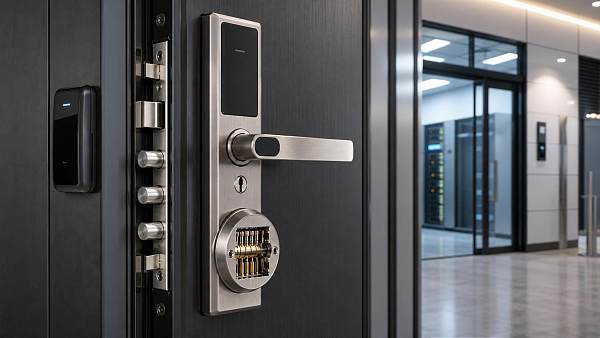
The term covers several technologies. Some products use motorized deadbolts. Others rely on solenoid locks, electromechanical mortise locks, magnetic locks, or multi-point locking structures paired with secure door bodies.
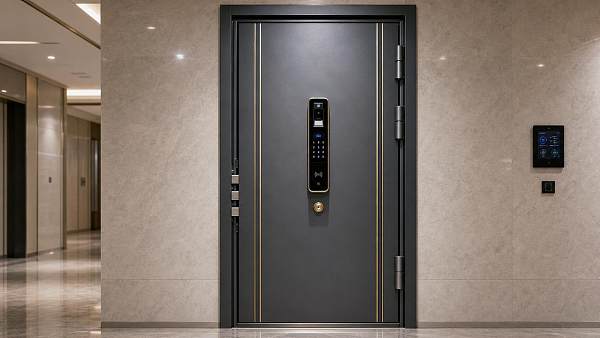
The practical question is simple: how does the lock secure the door, verify identity, and respond to real operating conditions? That answer usually sits in a mix of mechanical data, electronic architecture, software compatibility, and certification history.
Within the SHPS industry lens, that broader view matters. Physical security performance is rarely isolated. Lock reliability connects with door construction, lock cylinders, biometric readers, access platforms, alarm inputs, and building control systems.
Why buyers are looking more closely now
Security doors are being installed in more connected environments. Offices expect audit trails. Residential towers want mobile credentials. Warehouses need timed access. Utility rooms may require fail-safe or fail-secure behavior under strict site rules.
At the same time, attack methods are evolving. Procurement reviews now look at spoofing risk, forced-entry resistance, credential cloning exposure, cyber hardening, and service life under heavy use.
This is also why content platforms such as SHPS matter in the market. They connect lock selection with compliance insight, material strength, biometric reliability, smart building integration, and supplier visibility rather than treating each product in isolation.
Core security specs that deserve close comparison
Locking strength and attack resistance
Electronic locking systems for security doors still depend on mechanical fundamentals. Check bolt throw, latch construction, lock body material, anti-pry performance, and whether the lock works with reinforced frames and protective door leaves.
A strong credential system cannot compensate for a weak mechanical structure. If the installation faces forced-entry risk, compare anti-drill protection, anti-tamper design, and tested resistance against manual attack.
Credential options and identity assurance
Cards, PIN codes, fingerprints, mobile credentials, and multi-factor methods each solve different problems. Shared spaces may prioritize speed. Sensitive rooms may require stronger identity binding and event traceability.
If biometric access is included, look past convenience claims. Review false acceptance risk, liveness detection, template protection, and how enrollment is controlled. In higher-security environments, this matters more than the unlock speed alone.
Power supply and backup behavior
Power loss is one of the most overlooked comparison points. Battery-operated units, wired systems with central power, and hybrid designs behave differently under outage conditions.
Check backup duration, low-battery alerts, emergency power input, and the lock’s default state. For some sites, fail-secure is essential. For others, life safety requirements demand fail-safe release.
Cycle life and environmental durability
A lock used twenty times a day is very different from one used two thousand times. Cycle testing, temperature range, humidity tolerance, corrosion resistance, and ingress protection all influence lifecycle cost.
Electronic locking systems for security doors in coastal buildings, logistics areas, and unconditioned entrances often fail because environmental conditions were treated as secondary details.
Integration often decides long-term value
Standalone locks can work well in small deployments. Larger sites usually need more. Audit trails, remote authorization, door status monitoring, alarm linkage, and user permission management become part of the buying decision.
Ask whether the lock supports common access control protocols, cloud or local management, API availability, firmware updating, and compatibility with visitor systems, turnstiles, elevators, or smart building platforms.
This is especially relevant where SHPS tracks connected physical security infrastructure. An electronic lock may appear cost-effective alone, yet become expensive if it cannot integrate with broader credential, monitoring, or compliance workflows.
A practical comparison table
During evaluation, it helps to compare electronic locking systems for security doors through operational questions, not marketing claims.
Compliance is not a paperwork detail
Testing and certification should be reviewed in context. A lock may be electronically advanced but still unsuitable for a fire-rated door, an emergency exit, or a regulated commercial entrance.
Relevant standards differ by market, yet the logic stays consistent. Confirm burglary resistance claims, endurance testing, electrical safety, fire door compatibility, and any access control requirements linked to life safety codes.
In higher-risk environments, documentation quality also matters. Clear test reports, traceable component sourcing, and stable export compliance reduce procurement uncertainty later in the project cycle.
Where different door applications change the decision
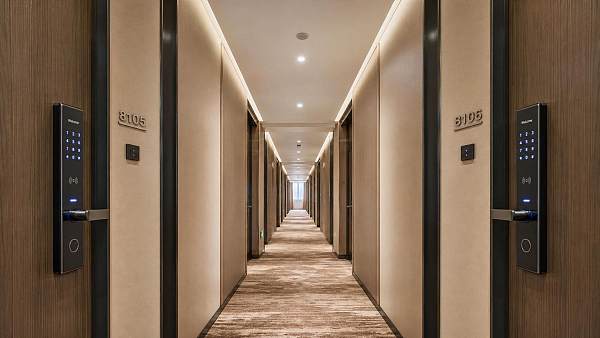
The best electronic locking systems for security doors depend heavily on the opening itself. A luxury apartment entry, a server room, a pharmacy storage area, and a parcel handover room do not share the same priorities.
- Residential entrances often balance security, quiet operation, app control, and design integration.
- Commercial offices usually focus on credential management, audit records, and compatibility with central access control.
- Industrial and logistics sites prioritize cycle endurance, weather resistance, and controlled shift-based access.
- Sensitive rooms may require stronger identity verification and tighter event logging.
This is why a side-by-side comparison should start from the door scenario, not from a generic product list. The wrong specification often comes from matching features to fashion instead of to threat profile.
Questions that improve supplier evaluation
A stronger procurement review usually comes from better questions. Price is necessary, but not enough to compare suppliers fairly.
- What attack tests support the claimed door security level?
- How does the lock behave during battery failure or network loss?
- Which parts are field-replaceable, and what is the expected service interval?
- Can event logs, permissions, and firmware be managed at scale?
- Which certifications apply to the full door-and-lock assembly, not just the reader?
- Is there evidence of stable deployment in similar environments?
Platforms like SHPS are useful here because they frame product evaluation around performance evidence, system fit, and deployment risk instead of headline features alone.
A sensible next step before shortlisting
Start with three filters: threat level, operational workflow, and integration need. Then compare electronic locking systems for security doors against door structure, credential policy, maintenance resources, and compliance obligations.
That approach creates a more reliable shortlist and a cleaner supplier discussion. It also makes it easier to judge where a premium specification prevents future cost, and where a simpler solution is enough.
If the goal is a better buying decision, the most useful next move is to turn these specifications into a formal comparison checklist. Once the requirements are visible, product claims become much easier to test against real-world security needs.
Recommended News
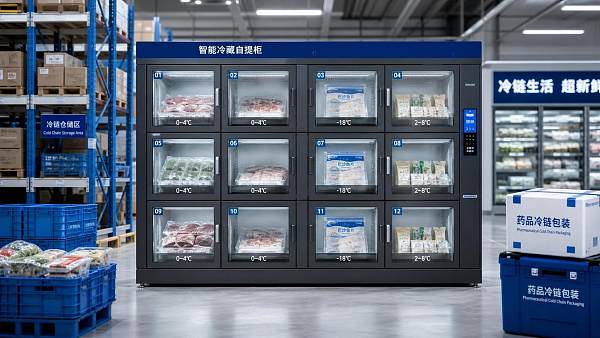
 Smart Refrigerated Locker Launch Signals Lower-Volume B2B DemandUnmanned Terminal FellowSmart Refrigerated Locker launch highlights lower-volume B2B demand with low MOQ, multi-temperature customization, and integration-ready features for cold-chain, pharmacy, and fresh e-commerce buyers.
 Refrigerated Locker Report Signals New Audit BenchmarksUnmanned Terminal FellowRefrigerated Locker Report highlights new audit benchmarks for cold-chain suppliers, covering 2°C–8°C control, audit trails, and 72-hour insulation—key insights for compliance, certification, and export readiness.
 Huawei Sets Wi-Fi 7 Royalty at $0.50 per DeviceUnmanned Terminal FellowHuawei Sets Wi-Fi 7 Royalty at $0.50 per Device. Learn how this global export licensing update could impact Wi-Fi 7 costs, OEM/ODM pricing, and CE/FCC compliance planning.
 How to Evaluate a Hotel Lock Systems Supplier for Renovation and New Build ProjectsBiometric Auth ScientistHotel lock systems supplier evaluation for renovations and new builds: learn how to compare compatibility, compliance, integration, service, and total cost before you choose.
 Anti-Theft Lock Technology Price: What Drives Cost in Commercial Access Systems?Dr. Valerius ThorneAnti-theft lock technology price explained: learn what drives cost in commercial access systems, from security levels and certifications to integration, uptime, and lifecycle value.
 Last-Mile Delivery Security Systems for Multifamily Buildings: Common Risks and FixesUnmanned Terminal FellowLast-mile delivery security systems for multifamily buildings: discover common risks, smart fixes, and practical ways to reduce theft, improve access control, and boost resident trust.
 Outdoor Parcel Locker Cabinets: Key Materials, IP Ratings, and Anti-Vandal Features ExplainedUnmanned Terminal FellowOutdoor parcel locker cabinets explained: compare materials, IP ratings, and anti-vandal features to choose durable, secure units that reduce maintenance and improve uptime.
 How to Choose Outdoor Smart Parcel Lockers for Apartments, Campuses, and Retail SitesUnmanned Terminal FellowOutdoor smart parcel lockers: learn how to choose secure, weather-resistant systems for apartments, campuses, and retail sites to improve delivery safety, efficiency, and user experience.
 UL 2050 Fifth Edition Raises Safe Certification BarBiometric Auth ScientistUL 2050 Fifth Edition raises the certification bar for safes with new biometric locks and remote duress alarm requirements. See how it impacts U.S. exports, sourcing, and compliance planning.
 EN 1303:2026 Now Mandatory for EU Lock ExportsSecurity Metallurgy ExpertEN 1303:2026 is now mandatory for EU lock exports. Learn how Anti-picking Lock Cylinders, Multi-point Lock Bodies, and Networked Hotel Locks can stay compliant and avoid delisting.
 Vietnam Enforces QCVN 17:2026 Locker RulesUnmanned Terminal FellowVietnam Enforces QCVN 17:2026 Locker Rules: learn how IP55, 85°C aging, 72-hour backup power, and VSTC testing now affect customs clearance, sales access, and export planning.
 Access Control Systems Standards: Key Compliance Requirements for Specifying Secure EntryDr. Valerius ThorneAccess control systems standards guide secure entry from design to operation. Learn key compliance checks, reduce risk, and specify safer, smarter systems with confidence.