Intelligent Security Devices for Small Facilities: Which Functions Matter Most?
Why intelligent security devices matter more in small facilities
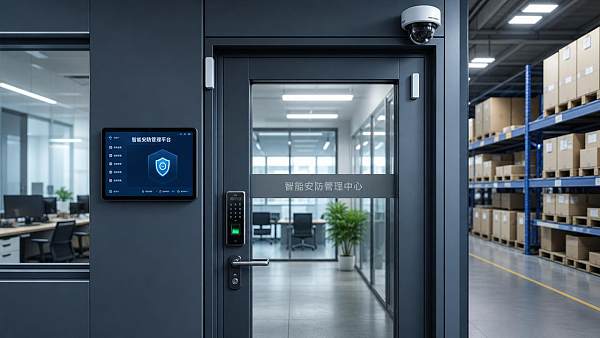
For small facilities, every security investment has to do two jobs. It must reduce risk, and it must stay easy to manage.
That is why intelligent security devices are gaining ground in offices, clinics, schools, retail sites, storage rooms, and mixed-use buildings.
The shift is not really about buying more hardware. It is about choosing functions that solve daily operational problems without creating new complexity.
In practical terms, that means faster access control, fewer lost keys, better incident visibility, and more reliable response when something goes wrong.
A small facility usually has tighter budgets, fewer security staff, and less room for failure. One weak door, one shared code, or one missed alert can have outsized impact.
This also means intelligent security devices should be judged by outcomes, not by feature count. The best system is the one people actually use correctly every day.
From recent market changes, the stronger signal is clear. Buyers now want measurable security value, remote visibility, and lower management burden from the same deployment.
The core functions that matter most
Not every site needs the same stack. Still, the most effective intelligent security devices usually share five core functions.
1. Smart access control that removes key risk
Mechanical keys are simple, but they are hard to control at scale. They get copied, lost, shared, and rarely tracked well.
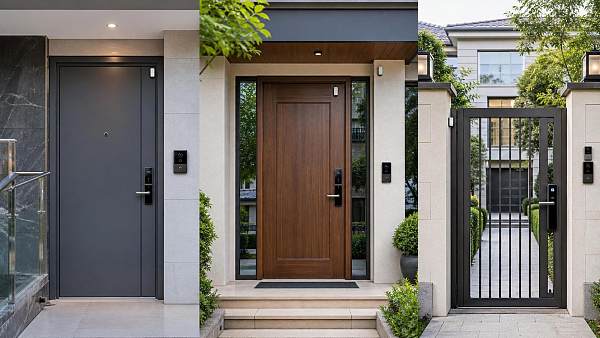
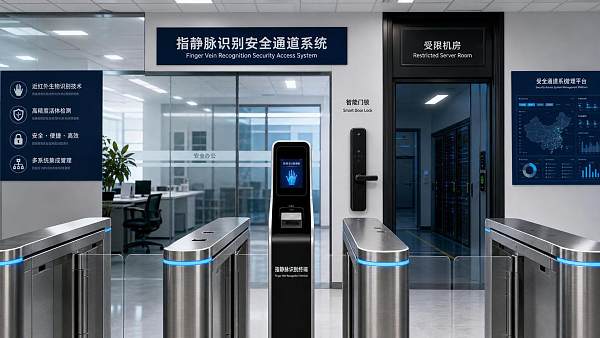
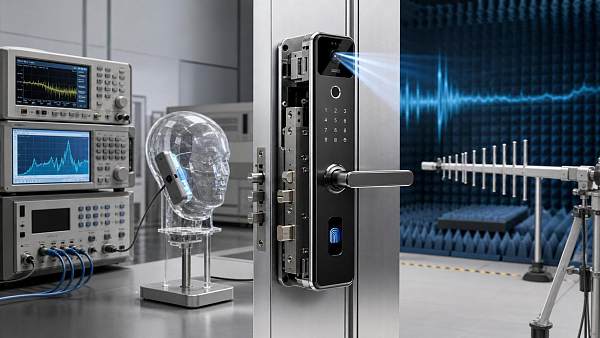
Intelligent security devices such as biometric smart locks, PIN systems, mobile credentials, and audit-enabled cylinders improve this weak point immediately.
For small facilities, the most useful functions are temporary credentials, role-based permissions, time-limited access, and quick lock changes after staffing updates.
2. Real-time alerts instead of delayed discovery
Many incidents grow worse because nobody notices them early. A forced door, open door, repeated invalid entry, or after-hours motion should trigger action fast.
This is where intelligent security devices create real operating value. They turn silent events into visible signals that managers can review and respond to quickly.
3. Remote management for lean teams
Most small facilities do not have a full-time on-site security team. Someone often manages security alongside operations, maintenance, or administration.
Remote dashboards, mobile control, health monitoring, and centralized logs are therefore not luxury features. They are core functions.
Good intelligent security devices let one team handle several locations without constant travel, manual checks, or fragmented records.
4. Video and event linkage
A standalone camera helps after an event. Linked systems help during an event and speed up investigation afterward.
When intelligent security devices connect access logs with video clips, teams can confirm who entered, when it happened, and whether access behavior matched policy.
5. Reliable operation and fail-safe behavior
Fancy features mean little if devices fail during power issues, network interruptions, or heavy daily use.
Battery backup, offline credentials, mechanical override strategy, anti-tamper detection, and event memory all matter more than glossy interface design.
In other words, the right intelligent security devices should stay dependable when the environment becomes inconvenient, not just when conditions are ideal.
How to match functions to real facility scenarios
Buying decisions improve when functions are tied to operational reality. Different small facilities face different exposure patterns, staffing models, and user flows.
- Retail sites need intelligent security devices that combine intrusion alerts, staff access control, rear-door monitoring, and simple incident review.
- Clinics and care facilities need secure room access, visitor control, audit trails, and privacy-sensitive monitoring.
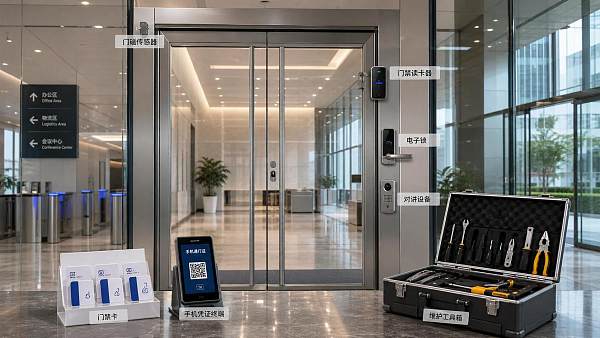
- Small offices benefit from mobile credentials, meeting room access rules, after-hours alerts, and remote lock management.
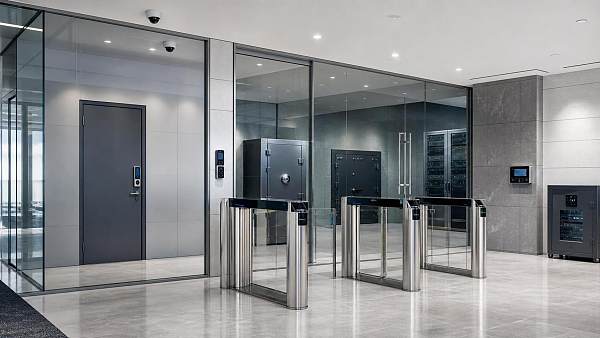
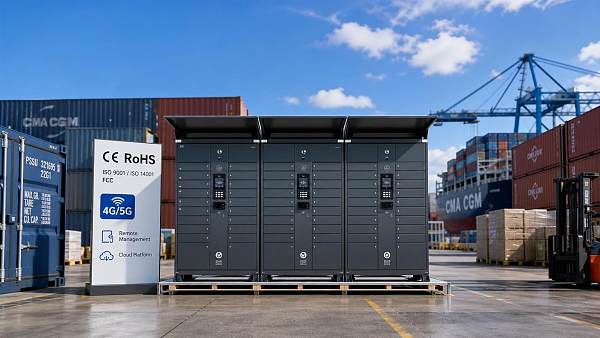
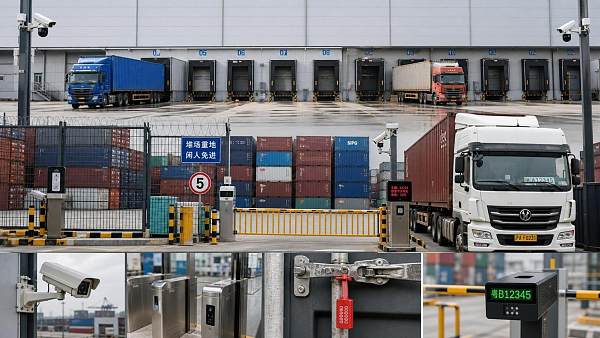
- Warehouses and storage rooms need stronger door protection, delivery access scheduling, and event-linked video verification.
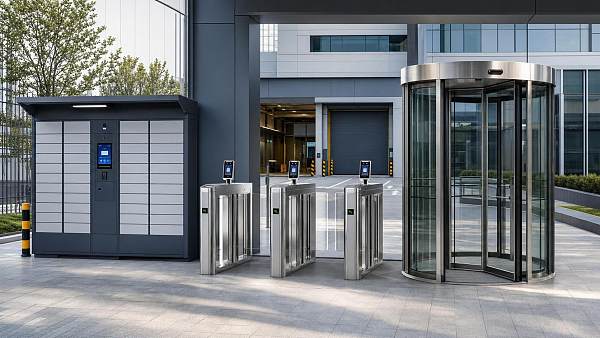
- Schools and training centers often need layered entry control, emergency lockdown support, and safer flow management at peak periods.
This is where many projects either succeed or stall. Teams sometimes buy advanced intelligent security devices, but ignore how people actually enter, move, and work.
A better approach starts with three questions. Where is the highest-value asset, where is the easiest entry point, and where does access change most often?
What to prioritize before buying
Before selecting intelligent security devices, it helps to separate essential functions from attractive extras. This keeps the project practical and easier to scale later.
Start with risk, not hardware
List the assets, access points, operating hours, and common exceptions. Then rank which failures would be most damaging to safety, property, or business continuity.
Check integration before adding devices
The best intelligent security devices are not isolated boxes. They should work with cameras, alarms, access platforms, visitor tools, or building systems already in place.
Look at maintenance burden
A lower purchase price can hide higher operating cost. Battery replacement cycles, firmware updates, false alarm rates, and service response times all affect total value.
Review compliance and resilience
Depending on the site, intelligent security devices may need support for audit records, secure credential handling, life-safety rules, or stronger physical attack resistance.
Common mistakes when evaluating intelligent security devices
A lot of underperforming projects fail for predictable reasons. The hardware may be decent, but the selection logic is weak.
- Choosing intelligent security devices based on feature lists instead of operational pain points.
- Ignoring user behavior, especially shared entry habits and propped-open doors.
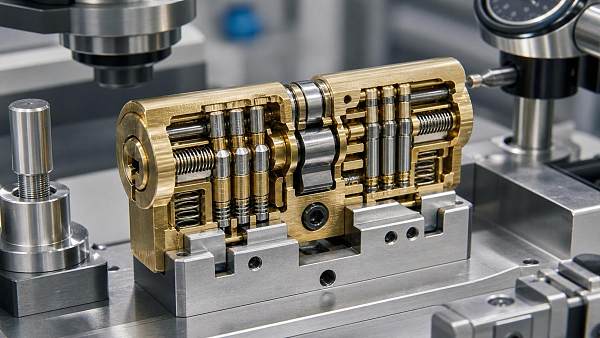
- Overlooking mechanical strength while focusing only on software functions.
- Adding too many alerts, which causes teams to ignore important events.
- Skipping deployment planning for network coverage, power continuity, and access policy design.
More clearly now, buyers are moving toward balanced systems. They want intelligent security devices that combine physical resistance, digital control, and manageable workflows.
A practical selection framework
If the goal is a cleaner decision, use a short evaluation framework before procurement begins.
- Map critical doors, sensitive zones, and unattended hours.
- Define which incidents must trigger alerts immediately.
- Select intelligent security devices with remote administration and clear audit history.
- Confirm integration with surveillance, alarms, or access platforms.
- Test reliability under power loss, network interruptions, and high-frequency usage.
- Estimate lifecycle cost, not just initial hardware pricing.
This framework works because it focuses on function, risk, and maintainability together. That is usually where intelligent security devices deliver their strongest return.
Final takeaway
For small facilities, the best intelligent security devices are not the most complex ones. They are the ones that protect key access points, reduce manual work, and support faster decisions.
The most valuable functions usually include smart access control, real-time alerts, remote management, linked video evidence, and dependable operation during disruption.
In actual business settings, a focused deployment often outperforms a larger but poorly managed one. That is especially true when staff time, budget, and operational simplicity all matter.
If you are reviewing intelligent security devices for a small facility, start with the risks you need to control daily. Then choose the functions that solve those risks clearly and sustainably.
Recommended News
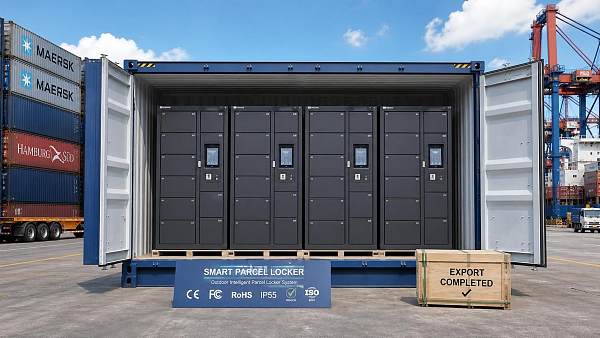
 Certified Smart Parcel Lockers Reach UAE and ChileUnmanned Terminal FellowCertified Smart Parcel Lockers reach the UAE and Chile with GCC and Chile SEC certification, showing how compliance-ready exports can speed market entry and overseas deployment.
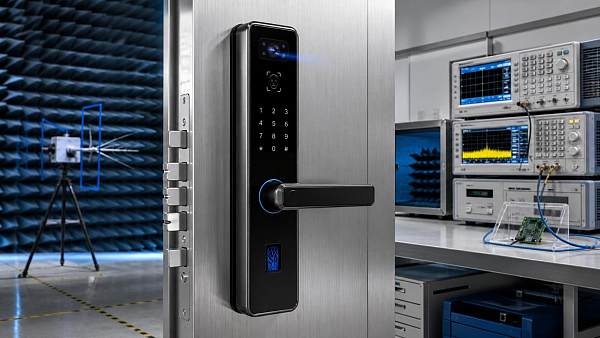
 FCC Adds SAR and EMC Tests for Biometric Smart LocksBiometric Auth ScientistFCC adds SAR and EMC tests for biometric smart locks from Sept. 1, 2026. Learn how the update impacts certification, export timelines, costs, and U.S. market entry.
 Commercial Entry Security Cost: Budgeting Doors, Credentials, Installation, and MaintenanceAccess Control StrategistCommercial entry security cost explained: learn how to budget doors, credentials, installation, integration, and maintenance to avoid hidden expenses and choose a smarter, scalable system.
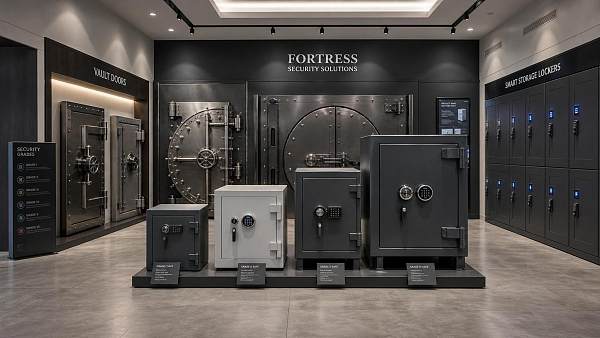
 What Affects Secure Storage Solutions Cost? A Breakdown by Size, Rating, and FeaturesVault Structural ArchitectSecure storage solutions cost depends on more than size. Learn how ratings, locks, features, installation, and hidden lifecycle costs affect value before you buy.
 Residential Entry Security Systems: Which Types Fit Apartments, Villas, and Gated Homes?Biometric Auth ScientistResidential entry security systems for apartments, villas, and gated homes explained. Compare smart locks, layered protection, and key features to choose the safest fit.
 Physical Security Engineering Services: What Scope, Deliverables, and Risks to ReviewDr. Valerius ThornePhysical security engineering services explained: review scope, deliverables, integration risks, and approval checkpoints to reduce project delays, cost overruns, and security gaps.
 How to Evaluate a Finger Vein Recognition Supplier for Secure Access ProjectsBiometric Auth ScientistFinger vein recognition supplier selection affects security, uptime, and integration success. Learn how to compare liveness, reliability, APIs, and compliance for secure access projects.
 200 Smart Parcel Lockers Shipped to UAE and ChileUnmanned Terminal Fellow200 Smart Parcel Lockers shipped to UAE and Chile highlight how smart parcel lockers now rely on IP55, GCC/GSO review, and 4G/5G readiness—see why this export matters for compliance and market access.
 FCC Adds SAR and EMC Tests for Biometric Smart LocksBiometric Auth ScientistFCC Adds SAR and EMC Tests for Biometric Smart Locks: learn how the 2026 FCC update affects certification, exports, compliance timelines, and North America market access.
 EU Rule Takes Effect on Smart Access SecurityUnmanned Terminal FellowEU smart access security rule takes effect July 1, 2026. Learn how CE and UKCA marking, EN 1143-1 testing, and customs risks affect access products and components.
 Logistics Security Solutions Cost Breakdown: Budgeting for Warehouses, Yards, and TransitUnmanned Terminal FellowLogistics security solutions cost explained: compare warehouse, yard, and transit budgeting, uncover hidden implementation costs, and plan smarter security investments.
 What Drives Anti-Pick Lock Design Cost? Materials, Tolerances, and Security Grades ExplainedSecurity Metallurgy ExpertAnti-pick lock design cost depends on materials, tolerances, cylinder architecture, and security grades. Learn what truly adds protection, compliance value, and long-term ROI.